Fallbrook, California
Stacked beds, a small footprint, a real yield.
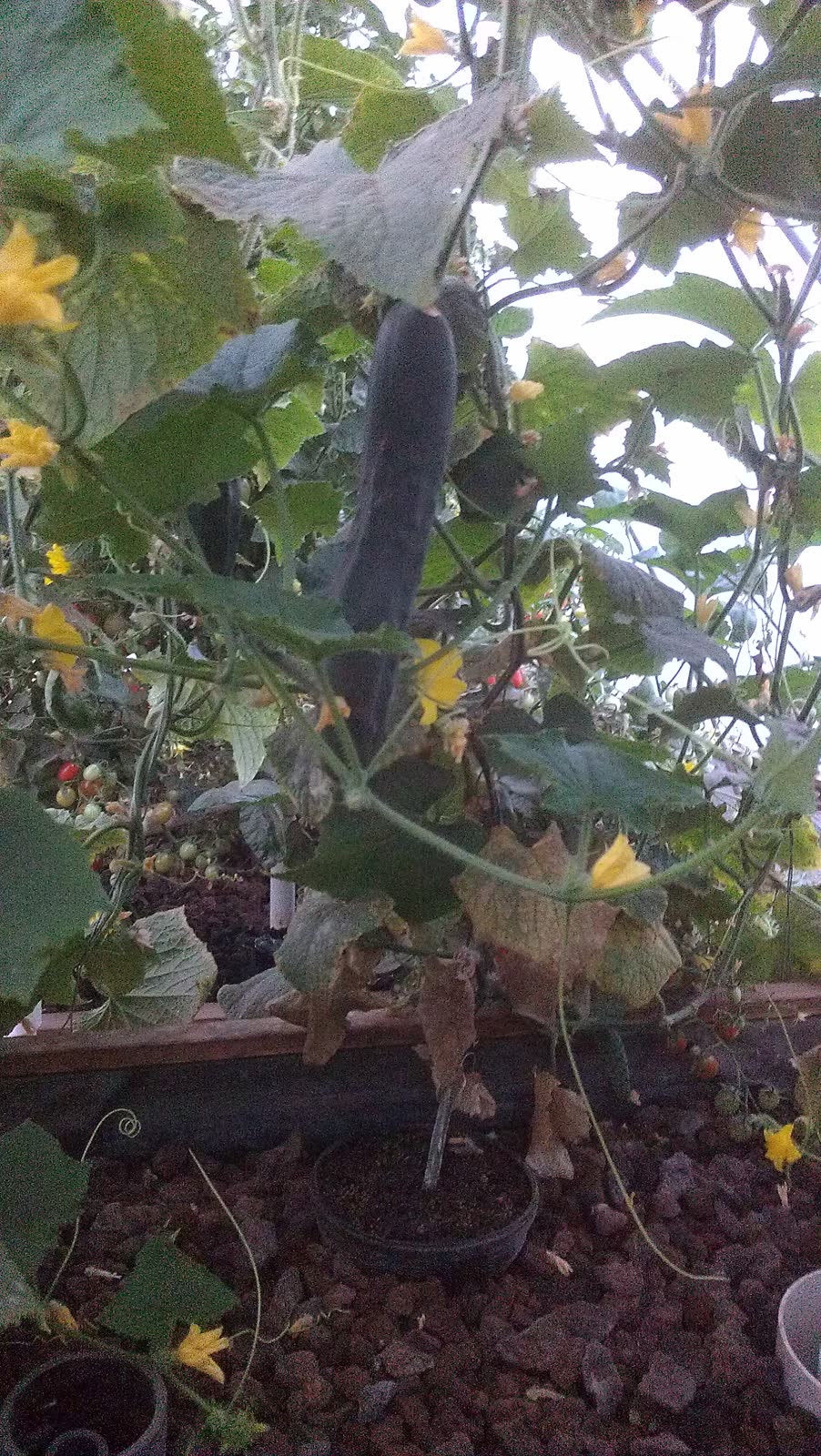
We grow cucumbers, garlic and bay, and we ferment them in salt. Nothing else goes in the jar. The whole thing is small enough to fit on ground somebody already has, and that is the point.
Concept stage, reviving in 2026. Not licensed, no finished batch, nothing for sale. This site is a record of what we have built and what we are planning.
Why the farm comes first
We have already built on ground like yours once.
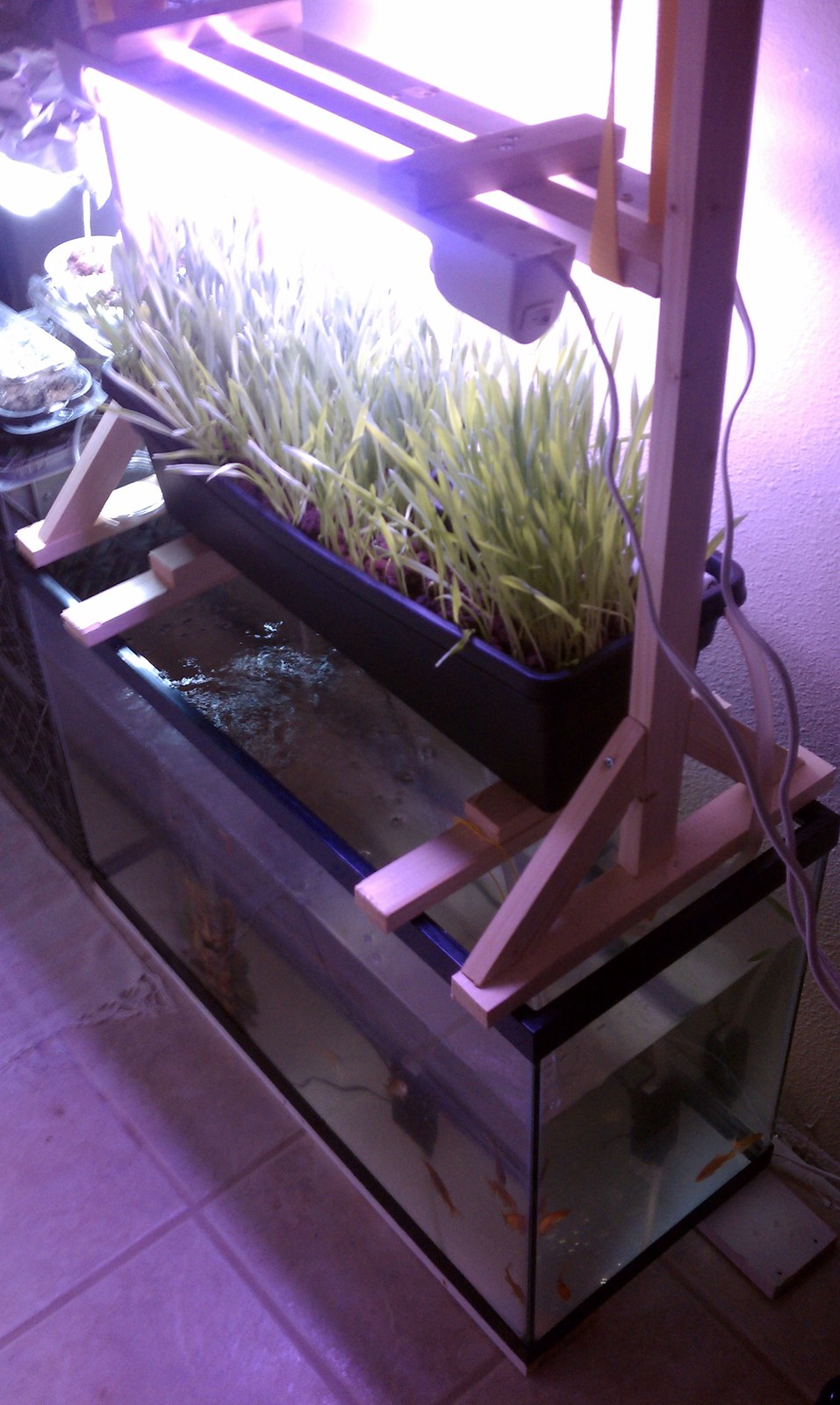
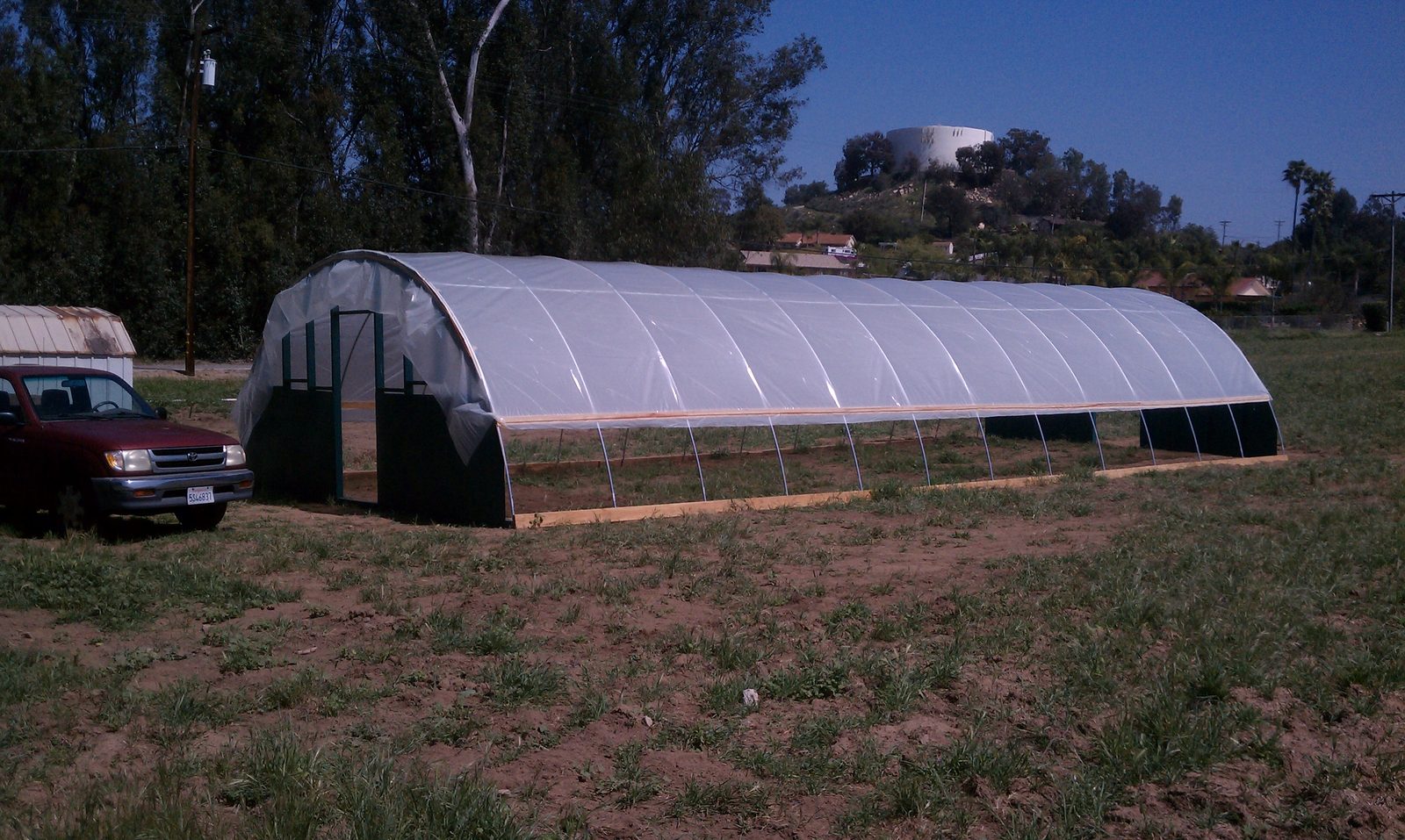
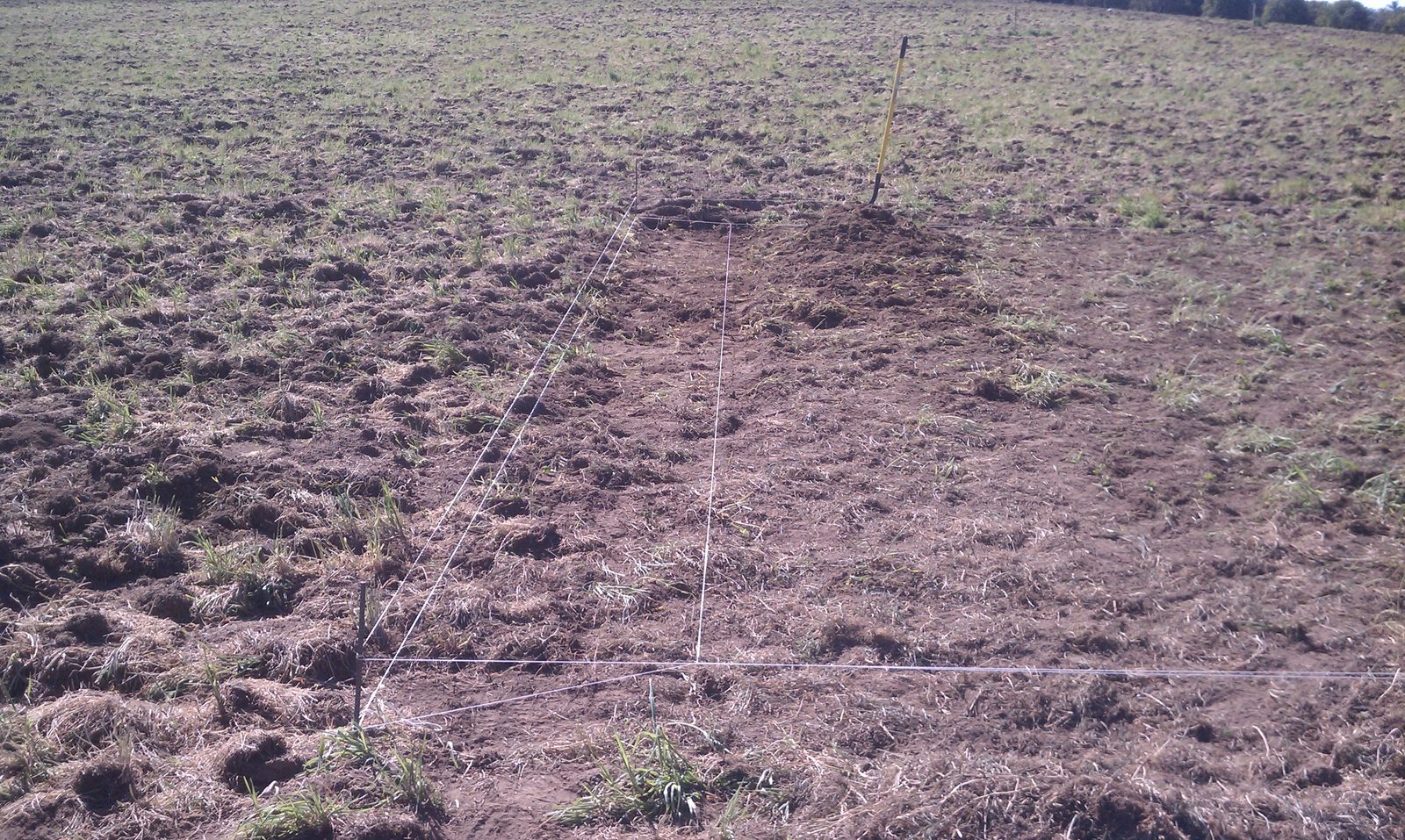
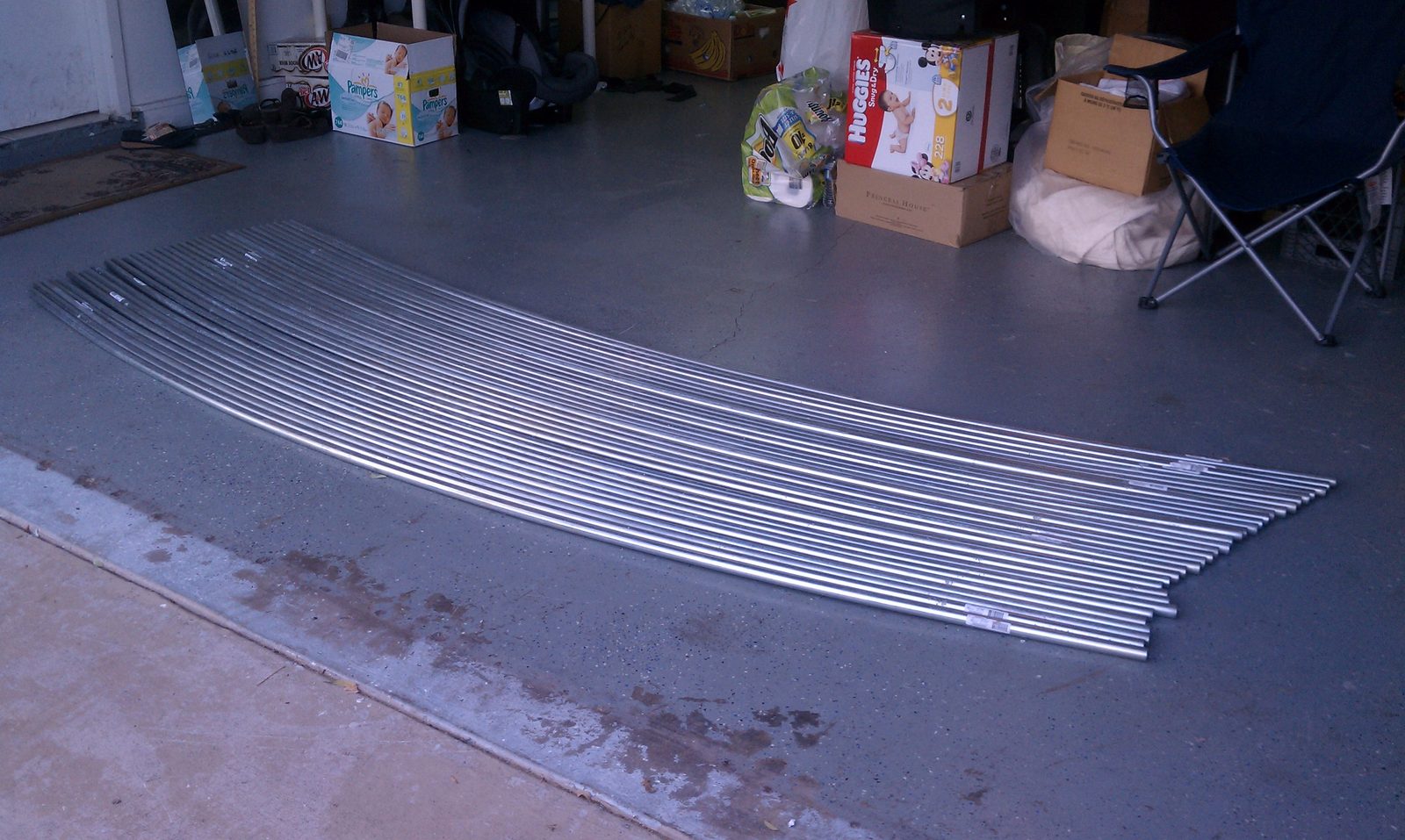
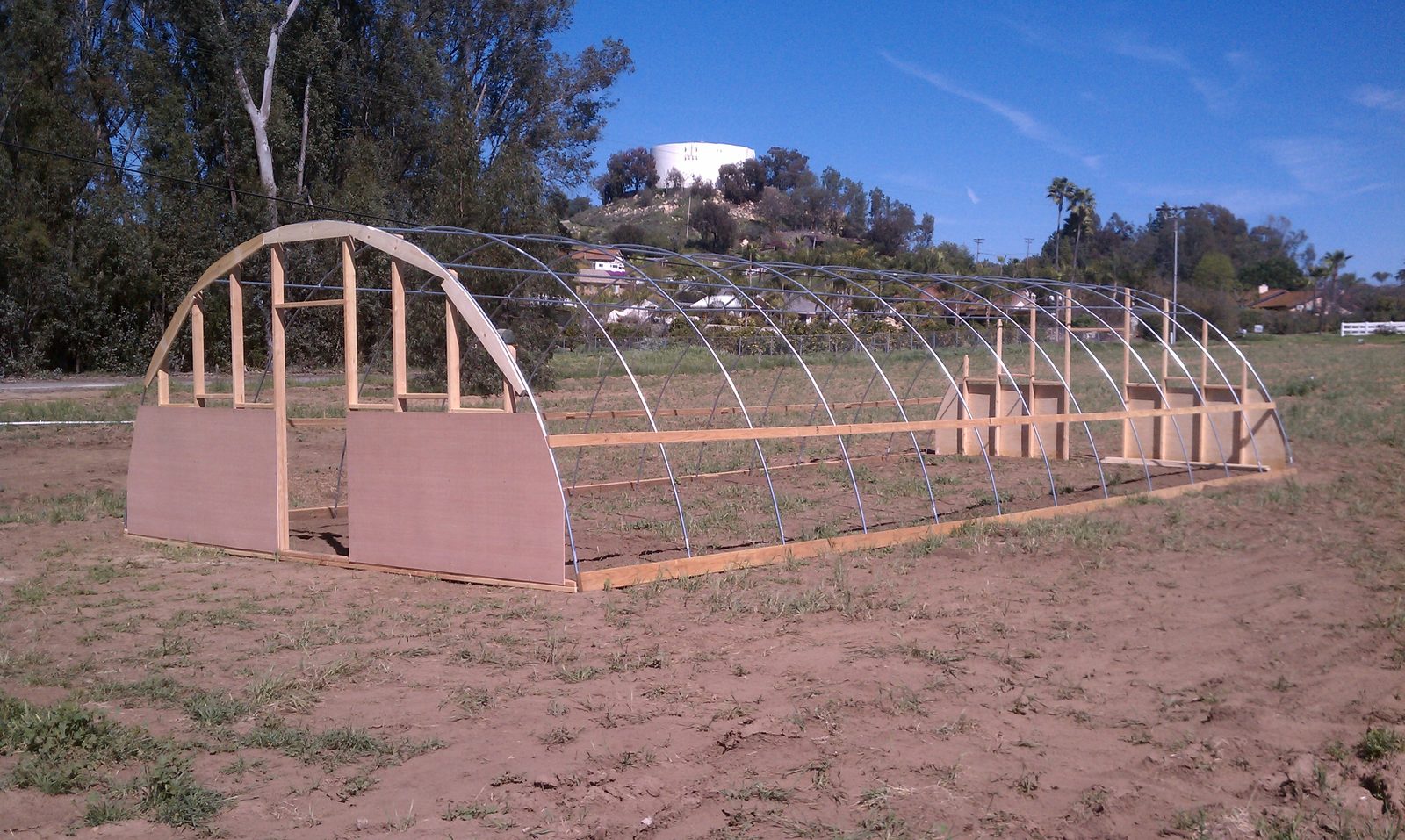
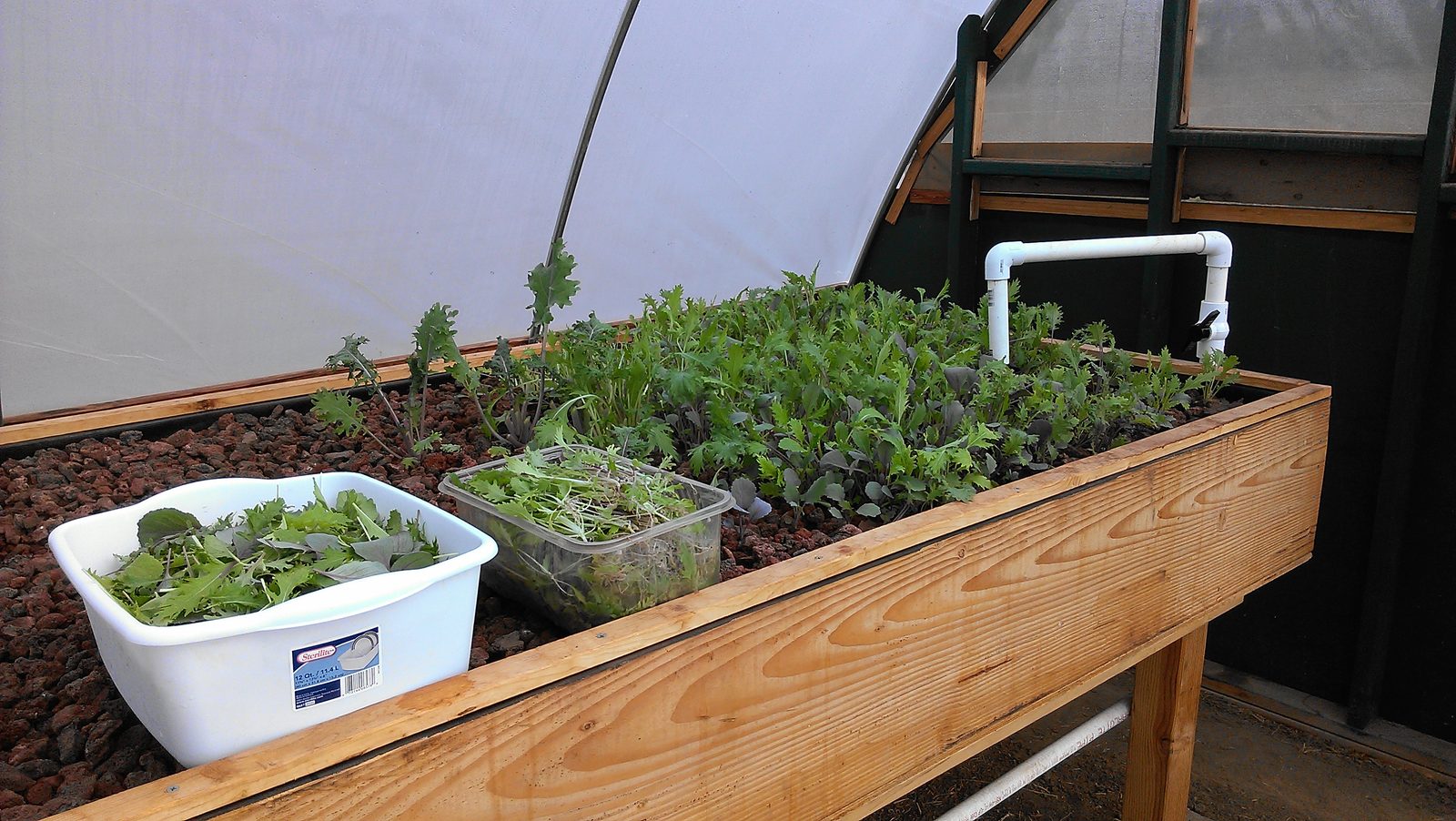
In February 2013 we leased an acre in Fallbrook and spent nine months building on it: hoop houses we bent ourselves out of electrical conduit, a fish-and-plants system made from IBC totes, a sump tank, grow tables, and the plumbing and power to run the lot.
We took roughly three hundred photographs of that build and filled a shelf with the engineering notes. That is why we are not starting from a blank page.
- 1 acreLeased and built out in Fallbrook, 2013
- ~10,000 galRainwater a single hoop house roof can catch here per year
- ~300 photosDocumenting nine months of building, before and after
The footprint
Grow up instead of out and it needs less ground than people think.
Here is how much growing space it takes to make one person a full-time living, drawn against a single acre. We worked it out from what our own batches have actually yielded. The tighter the growing method, the shorter the bar.
The full bar is one acre, 43,560 sq ft: the Fallbrook lease we already built on
These are planning estimates, not promises. The cucumber yields behind them are the standard published ones, and we have not yet grown a crop in Fallbrook to check them against that soil, those pests and that season. If the real margin comes in at half what we assumed, every number above roughly doubles, and even then the worst case still fits inside an acre. We would rather show you the assumption than hide it inside a round number.
Nine months, 2013
From an empty acre to food coming off it.
Batch 001, June 2026
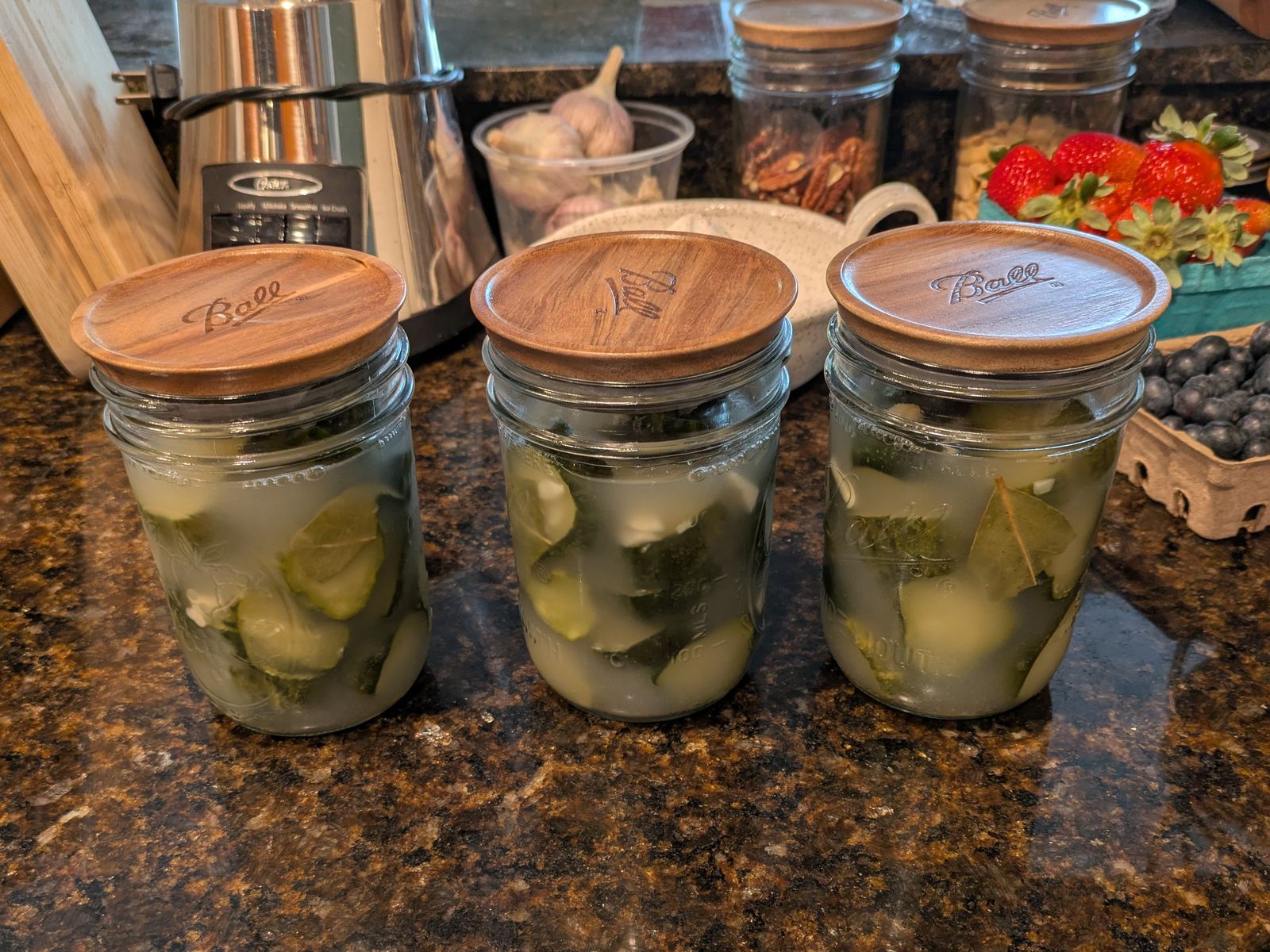
Four days in a crock, watched twice a day.
The cucumber makes its own brine. Salt pulls the liquid out, and the bacteria already living on the vegetable do the rest. What we add is not a secret ingredient, it is control. We keep the proportions to ourselves. How carefully we work is no secret at all.
-
Pack day
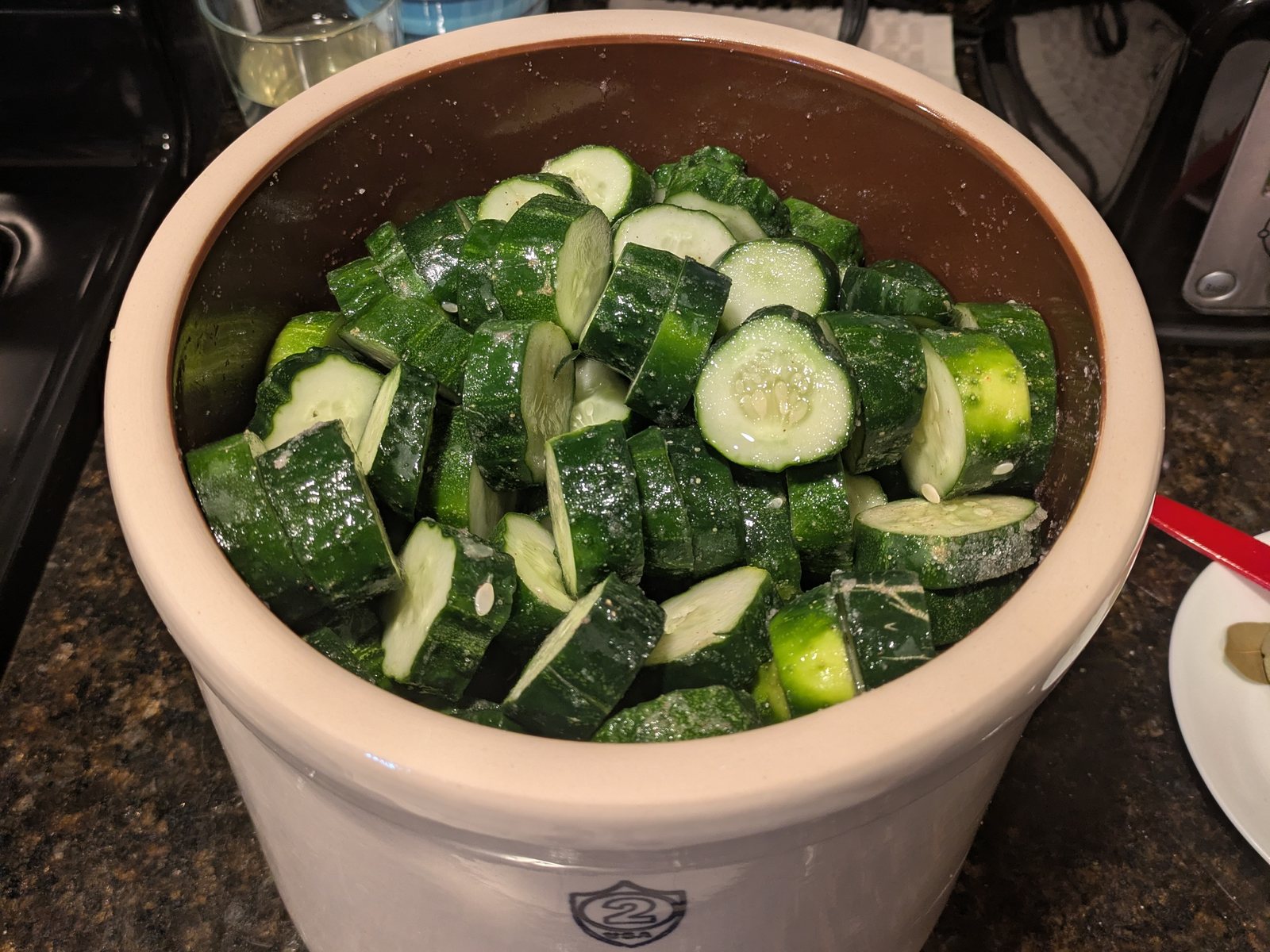
Salt, garlic, bay, crock We weigh the cucumbers whole, scrub them, cut them into chips and throw both ends away. Then we mix until the salt is even and leave it to draw.
-
Day 1
The brine arrives We turn it on a schedule to keep the liquid moving. This part is over when there is enough brine to cover everything, not when a clock says so.
-
Day 2
Tasting starts We check it morning and evening, every day, weekends included. By now you can see it working and smell it changing.
-
Day 3
It turns sour What matters is the whole curve, not any one reading. A batch has to get below the safety line while it is still working.
-
Day 4
It comes out, or it does not leave Out when the taste and the sourness are where we want them. Four days is the longest we will go with cucumbers, not something we aim for.
What we write down, every check
- Cellar tempthe room the crock is sitting in
- Brine tempin the liquid, not the room
- pHhow sour it has gone, and how fast. This is the safety number
- Conductivityproves the salt actually went in
- What we sawsmell, surface, color, how lively it is
We do not publish the numbers, on purpose. The readings are ours. The limits are not: a batch has to get below pH 4.6 while it is still working, or it never leaves the cellar.
The work
Cucumbers, a crock, and what comes out the other end.