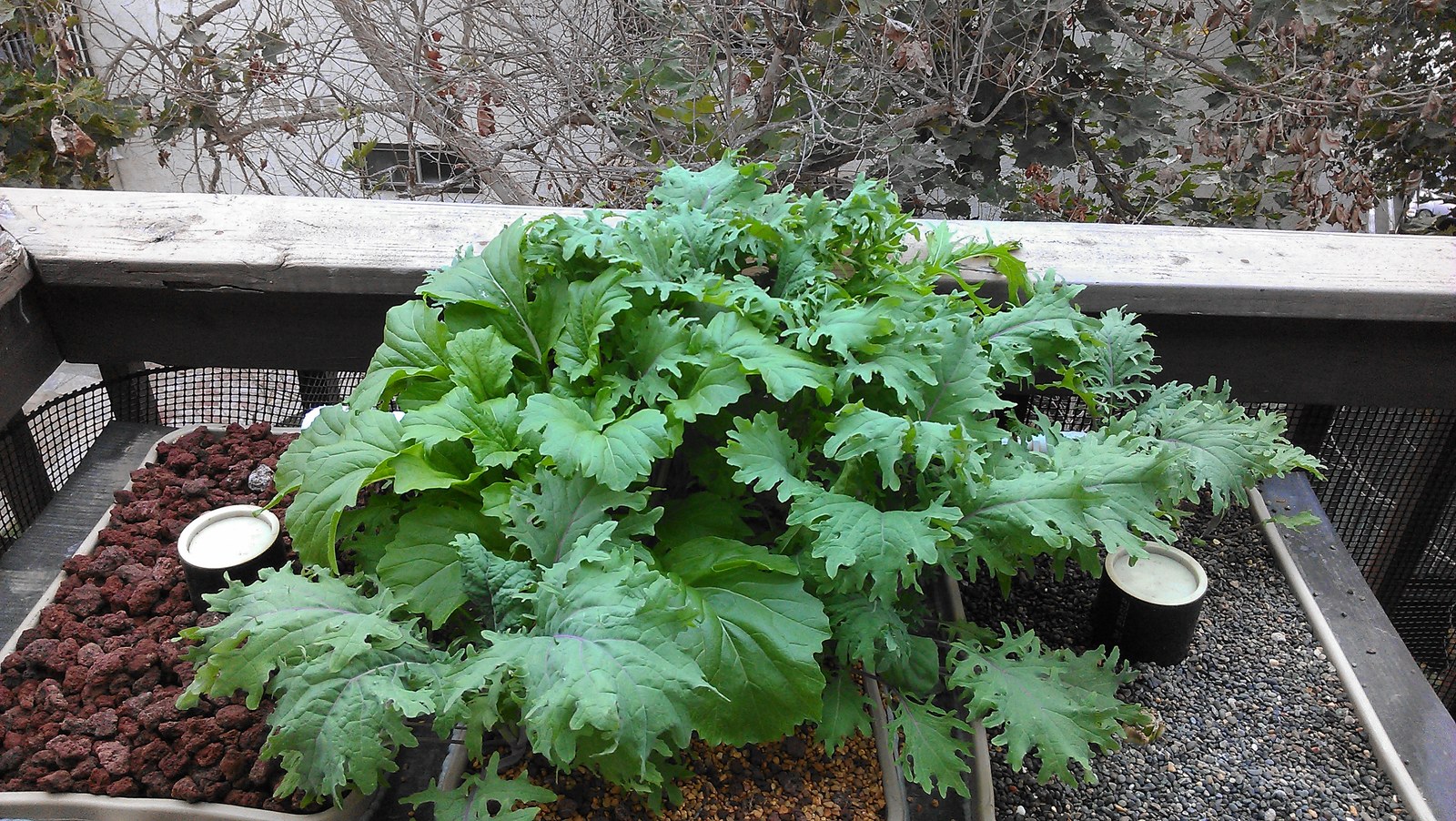
2011 to 2013, before the acre
It started with a fish tank under the stairs.
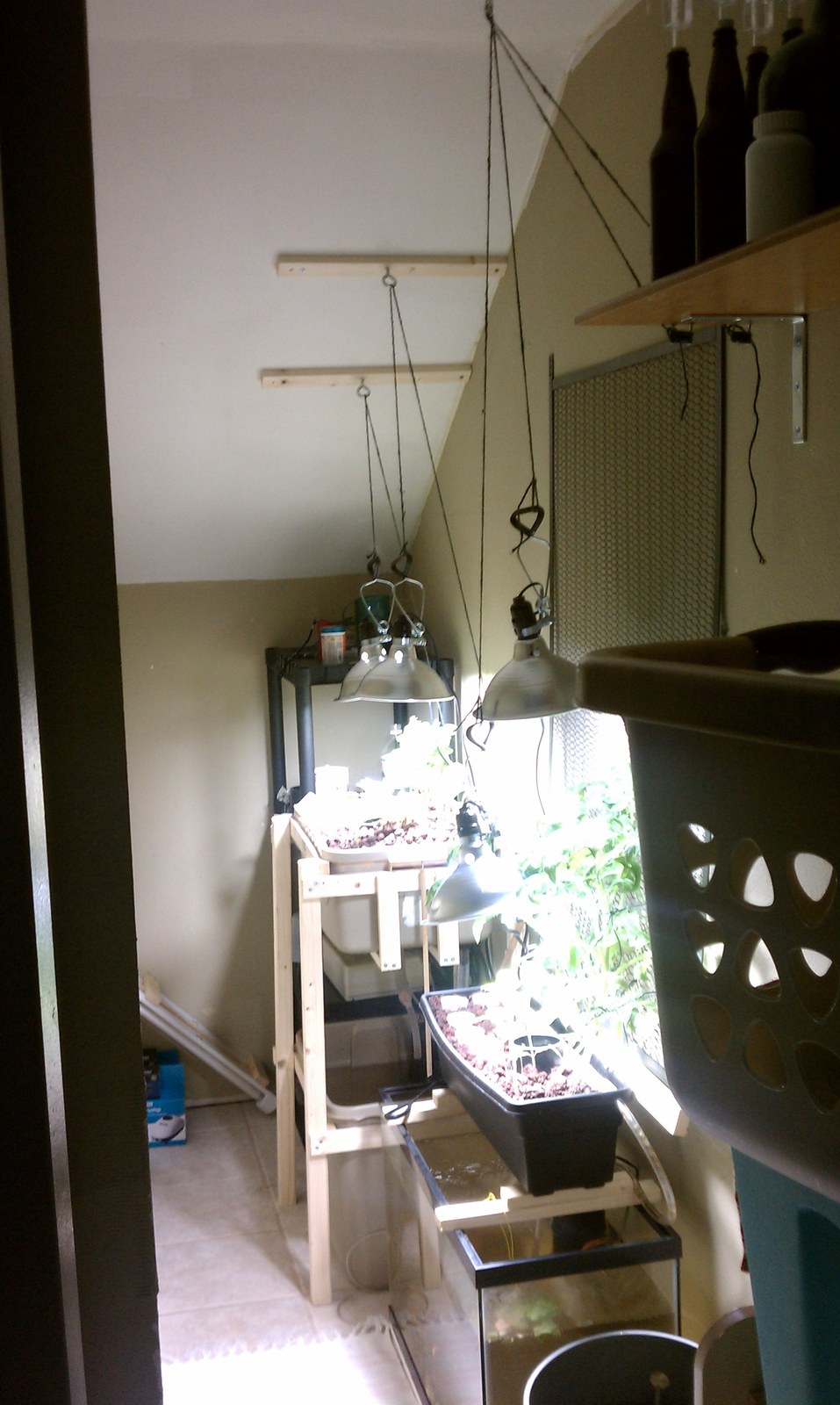
Nothing here was a farm. It was a storage room, then a deck. But every idea that went into the acre in Fallbrook was tried at this scale first, cheaply, where a failure cost a weekend instead of a season.
Concept stage, reviving in 2026. Not licensed, no finished batch, nothing for sale. This site is a record of what we have built and what we are planning.
The first experiment, 2011
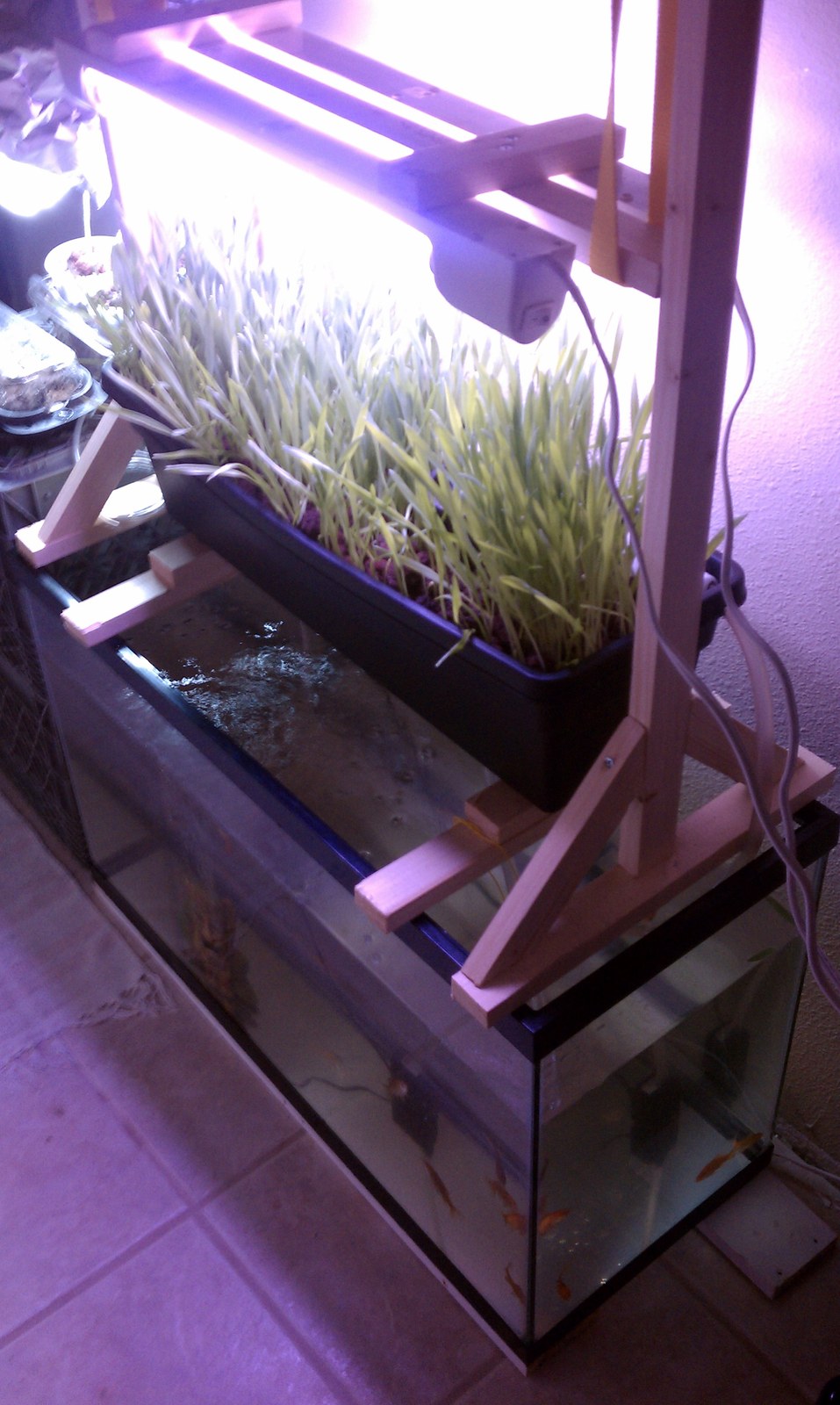
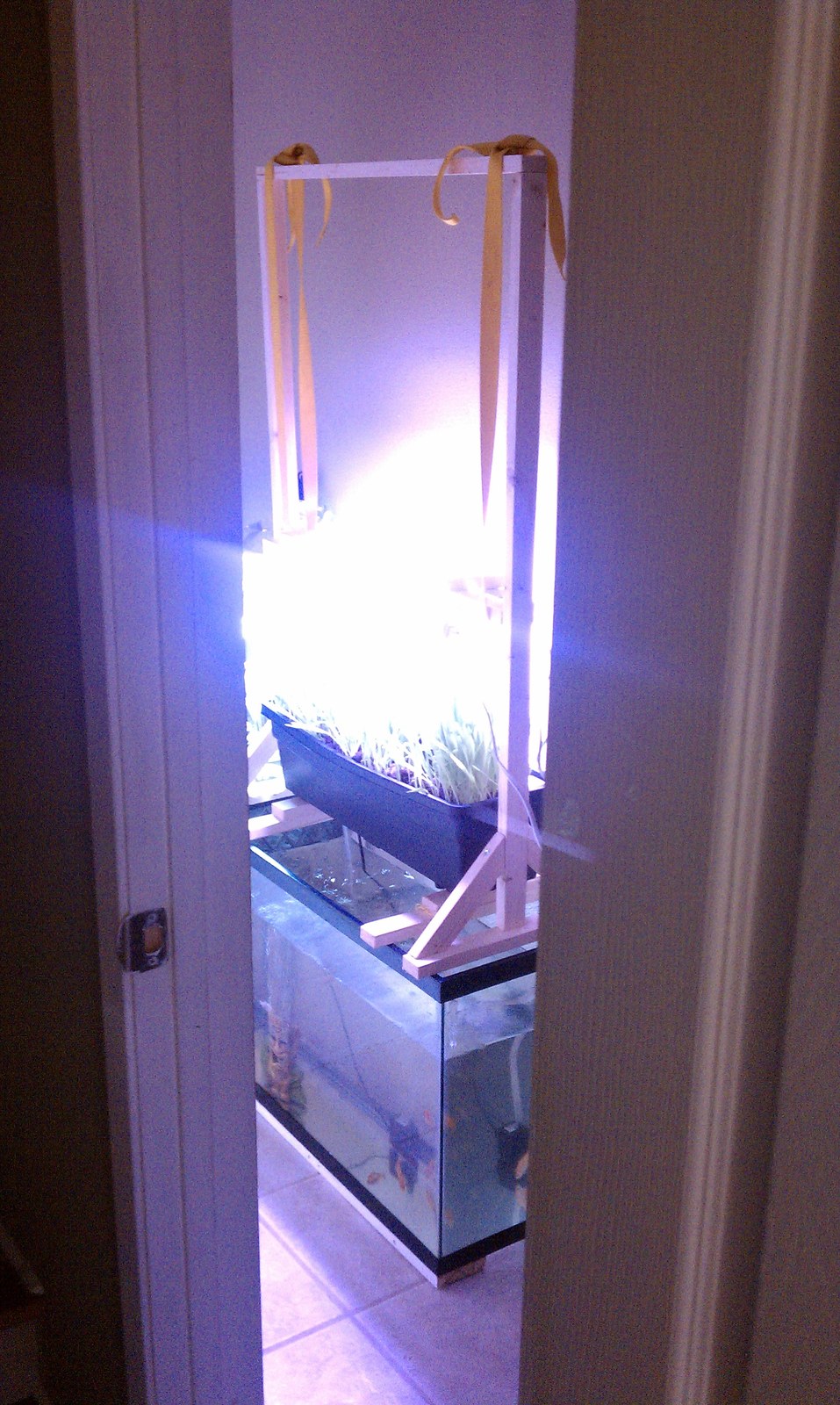
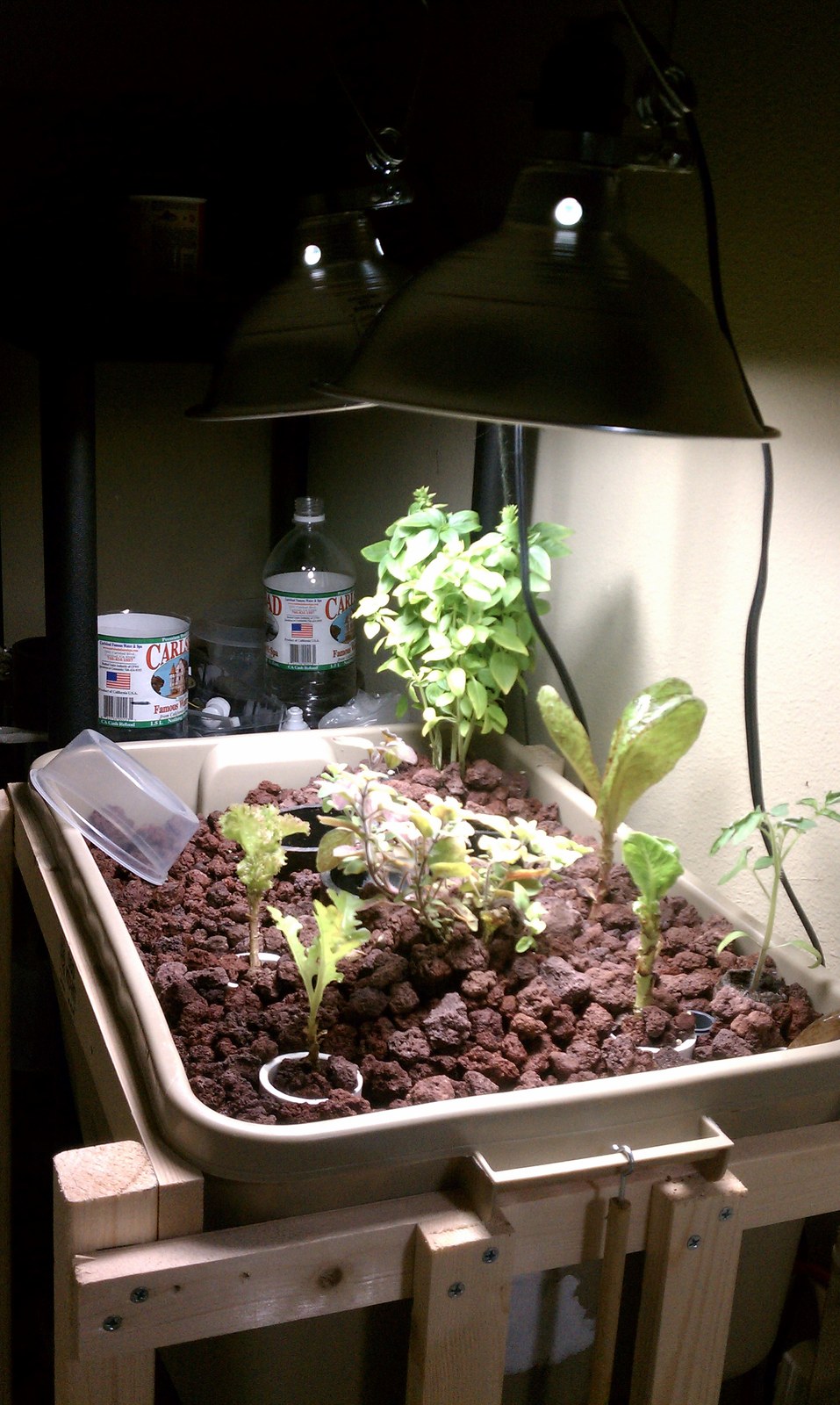
Barley grass over goldfish, in a storage room under the stairs.
A glass tank, some goldfish, and a tray of barley grass on a frame built out of scrap timber above them. The fish fed the grass, the grass cleaned the water, and the whole thing ran under a shop light in a room with no daylight in it at all.
It is a small thing to look at. It is also the whole idea the Fallbrook build ran on, tested for the price of an aquarium: the water carries the food, the plants sit above it, and nothing gets thrown away.
The deck, summer 2012
Then it moved outside, onto a deck, and started producing.
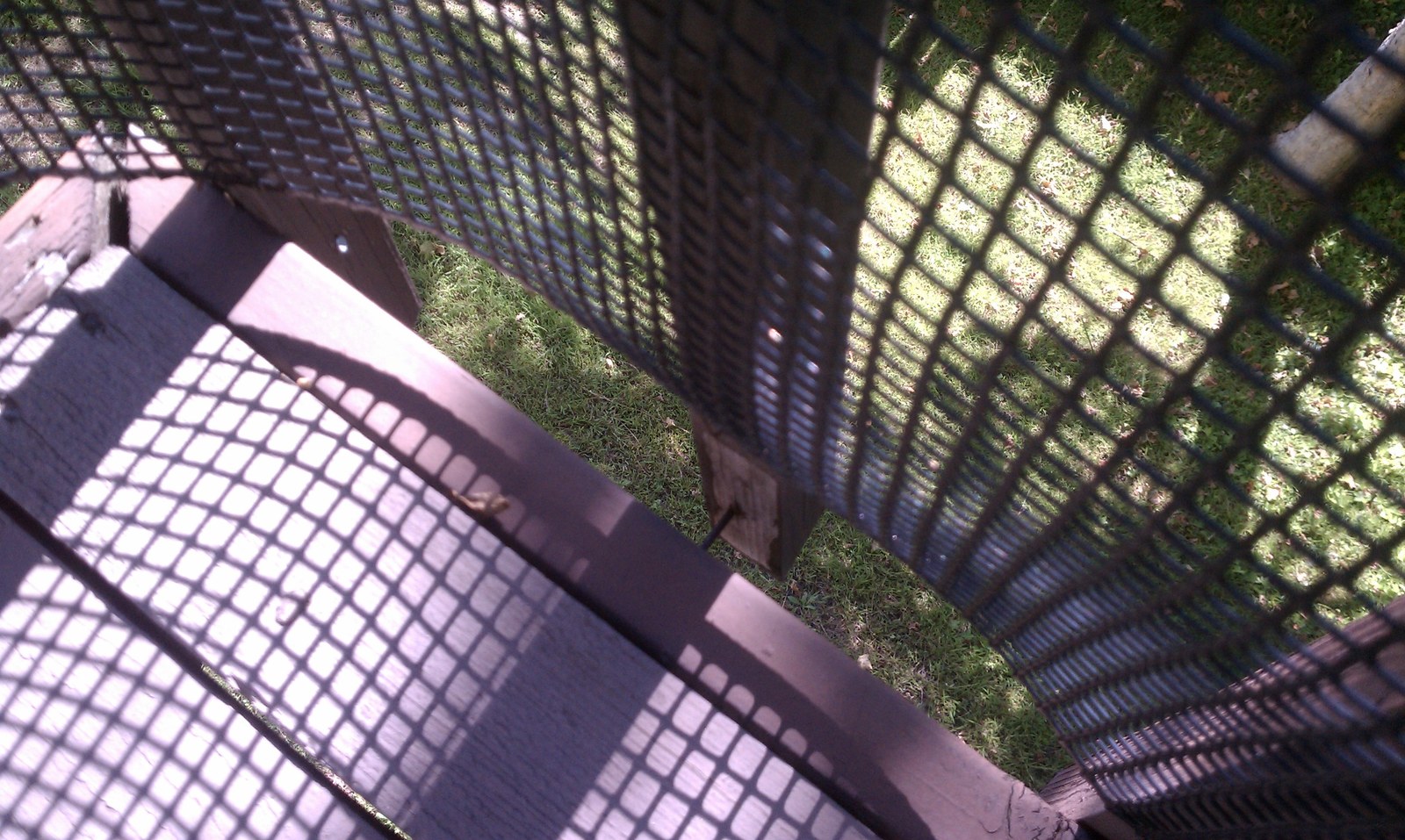
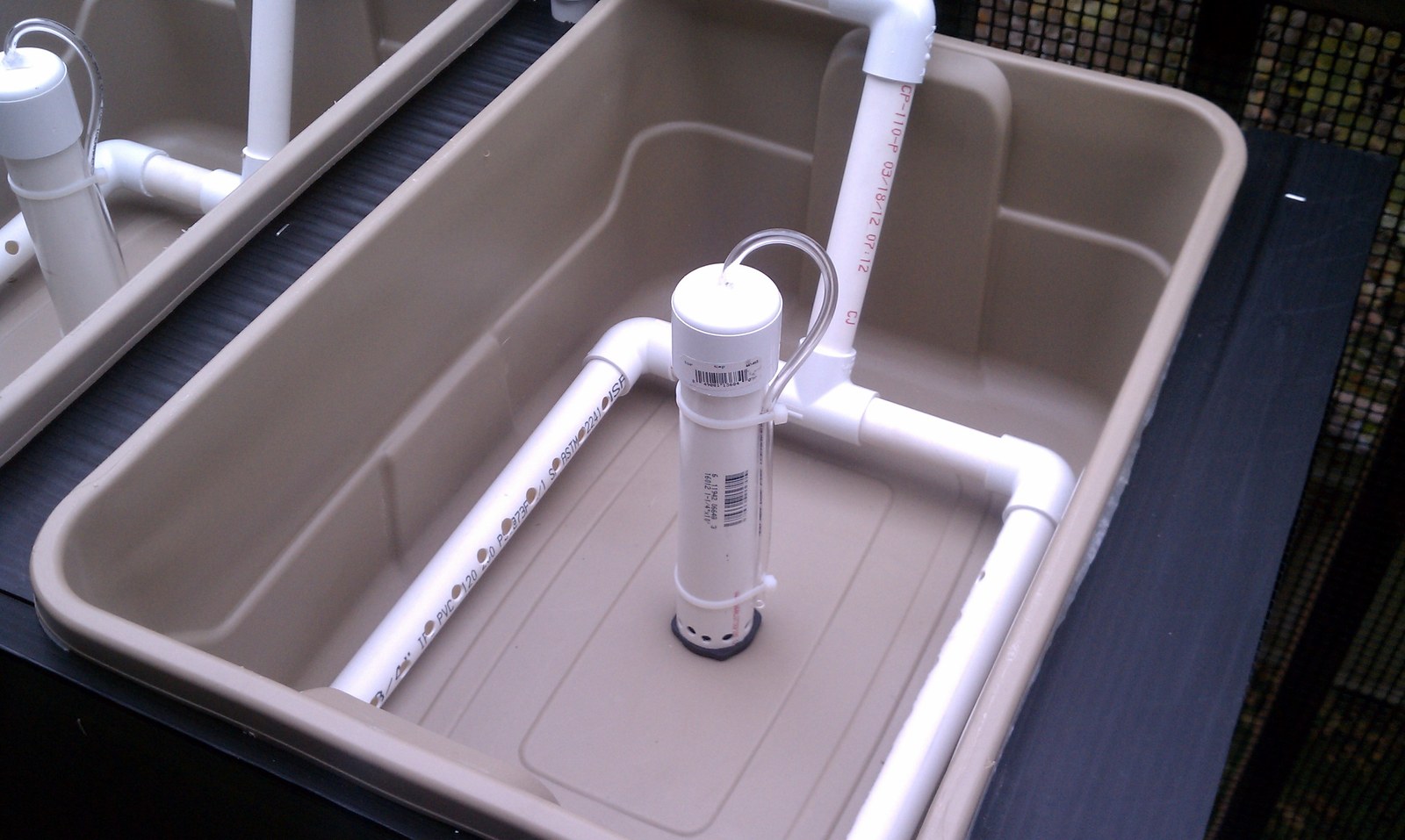
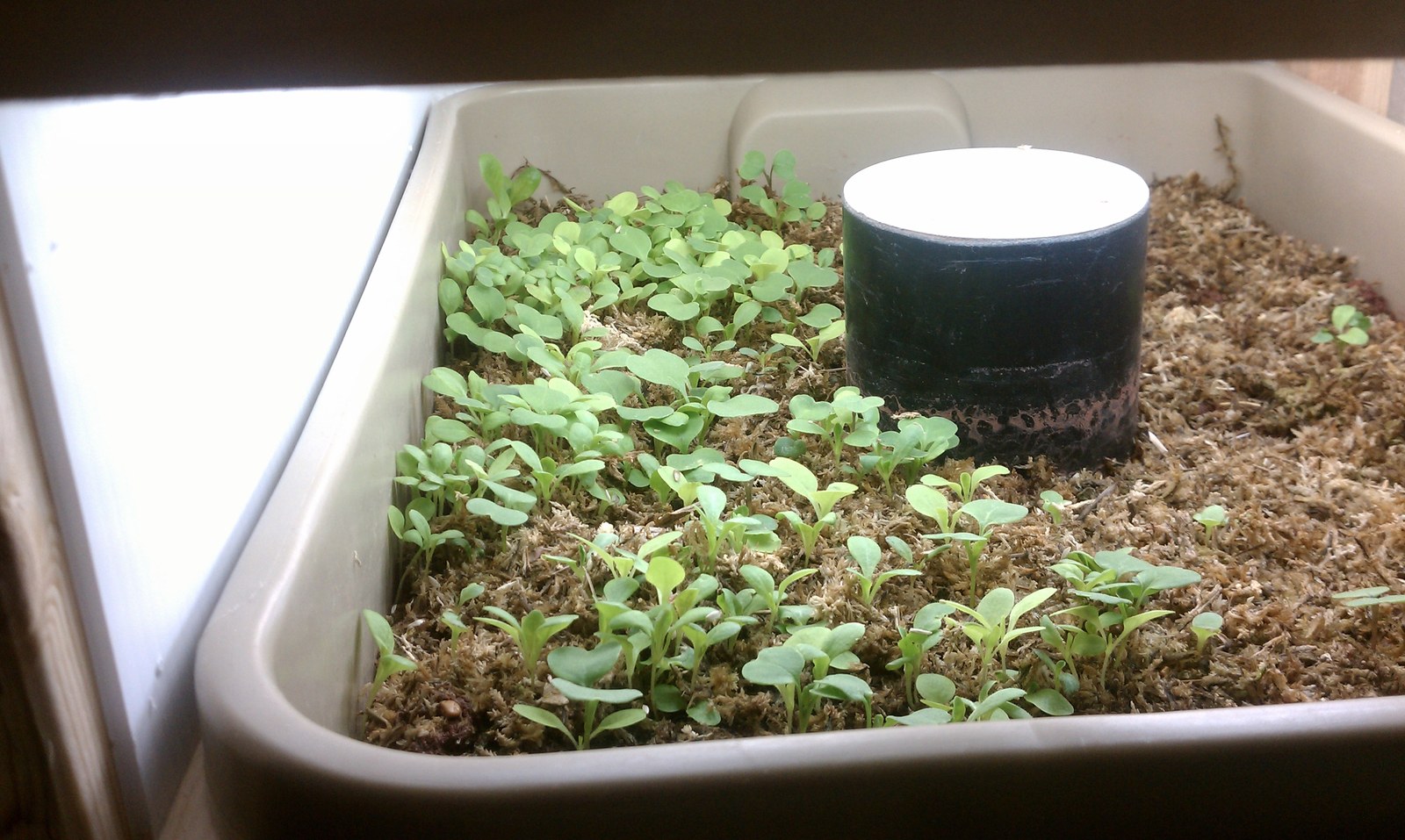
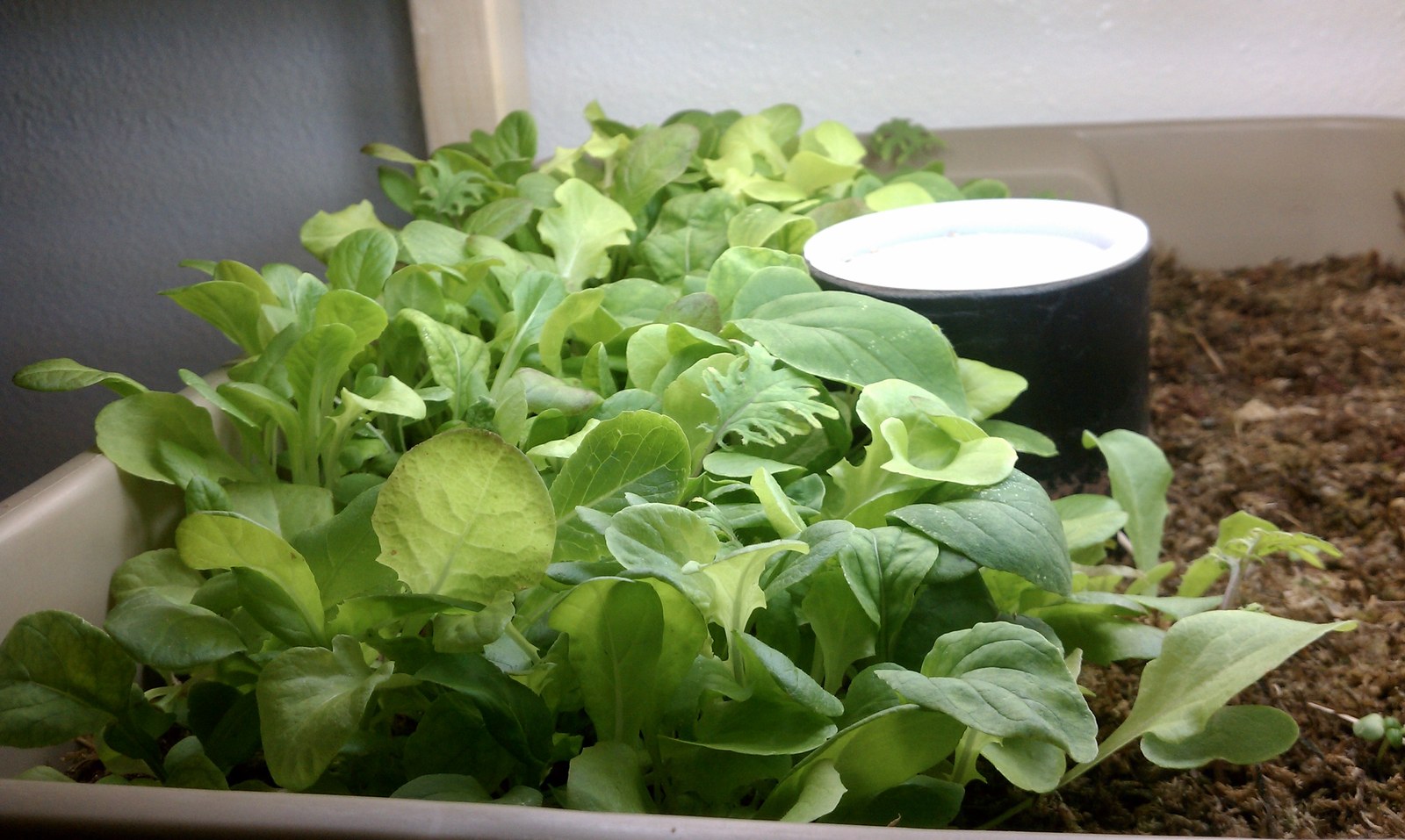
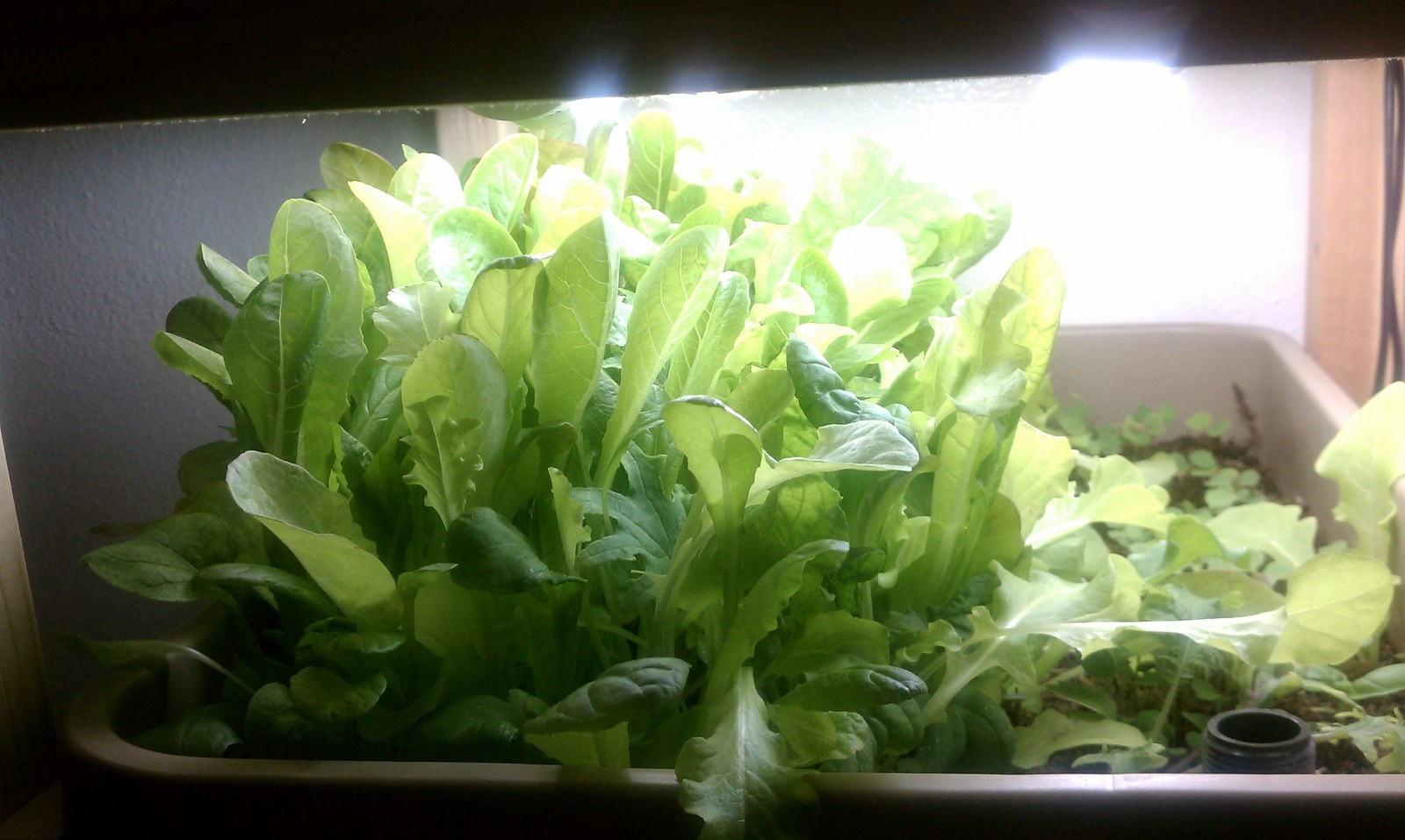
Two shallow tubs, plumbed with white PVC and a small pump, set on a deck that had been holding nothing but a folding chair. Built in a week. Planted the same month.
Season extension, winter 2012
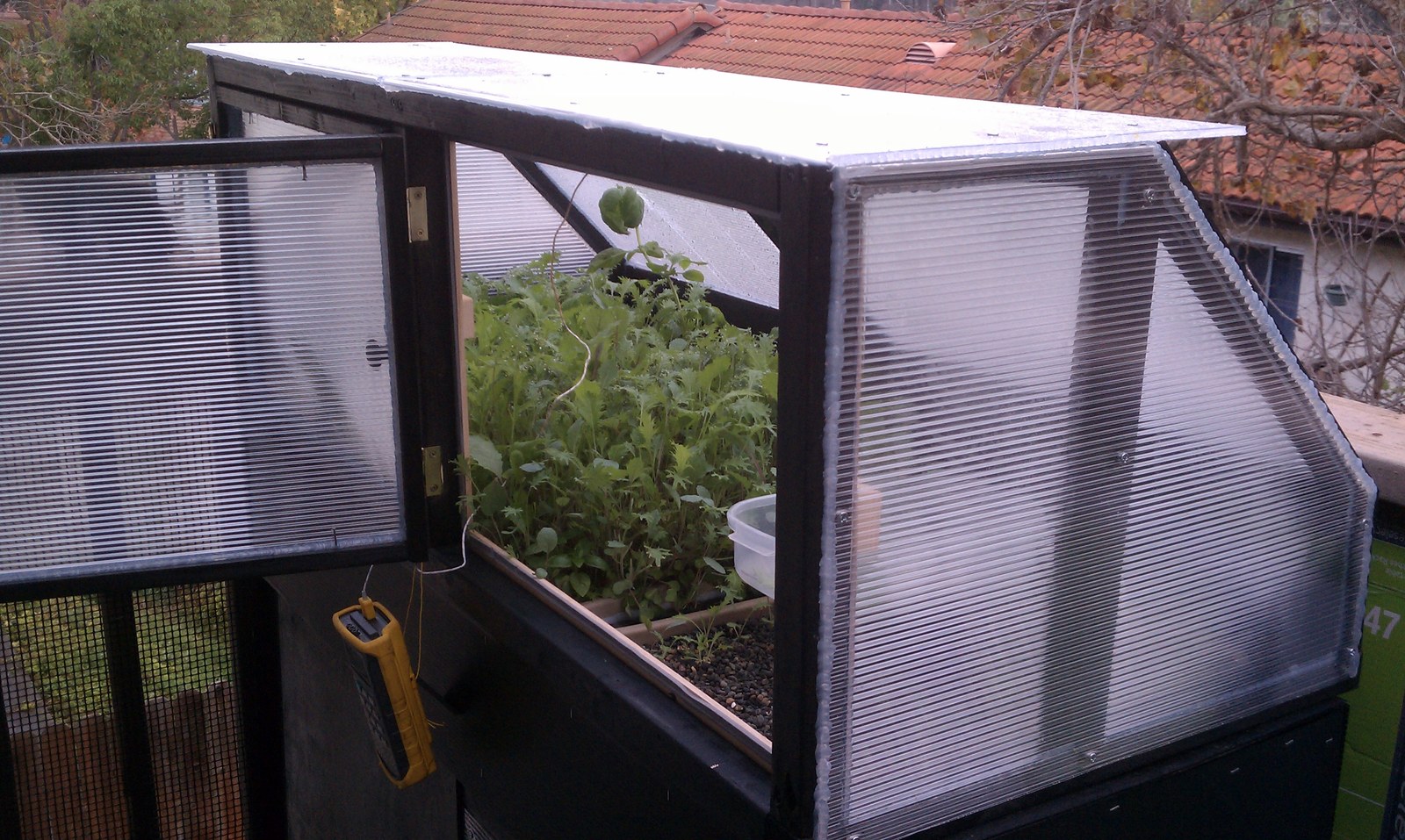
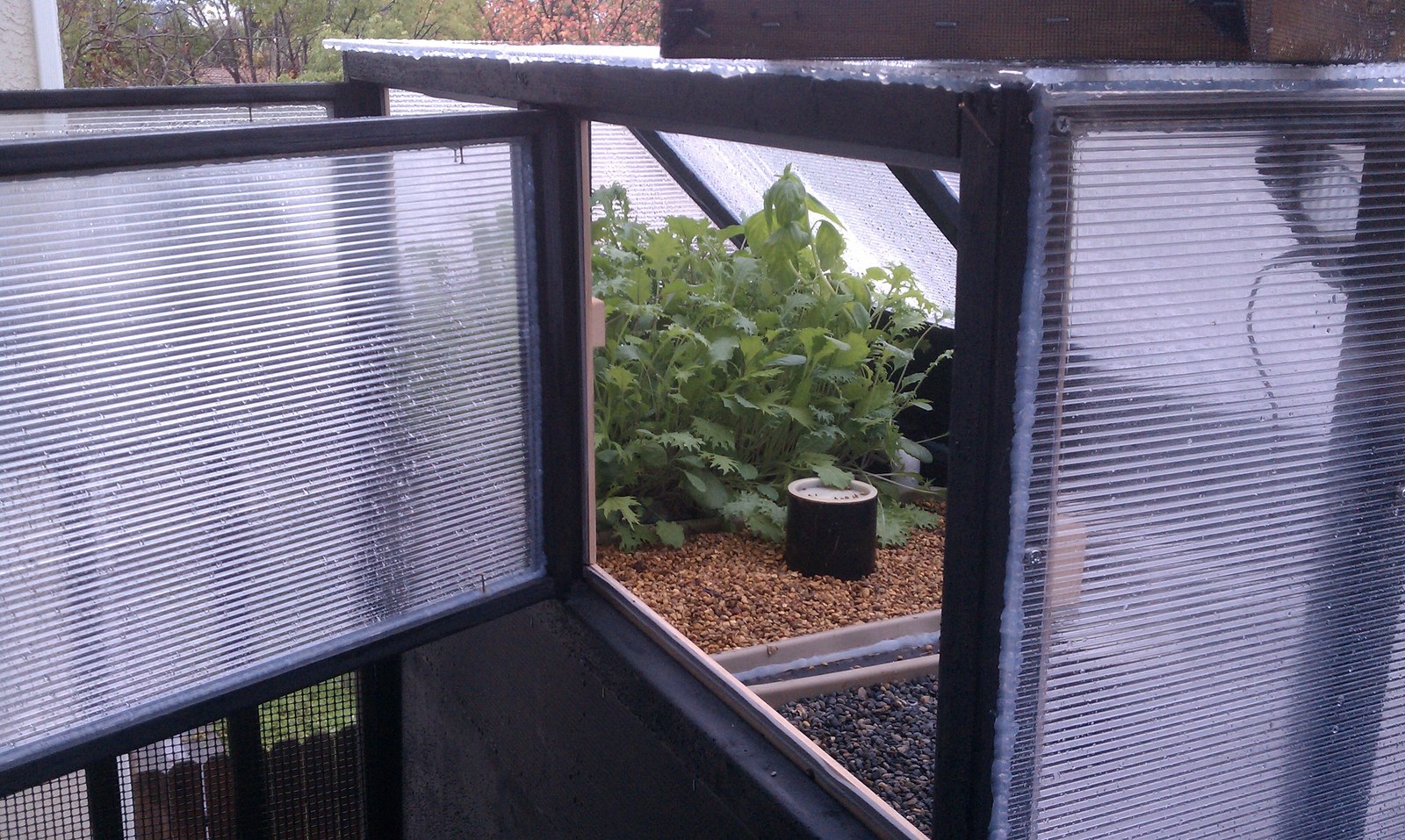
A cold frame over the top, and the deck kept going through winter.
Polycarbonate panels on a black timber frame, hinged so the whole lid props open on a warm afternoon. It is the same argument as the hoop house at Fallbrook, at one hundredth the size: hold the heat, extend the season, harvest in months when nobody else is.
The year of the acre, 2013
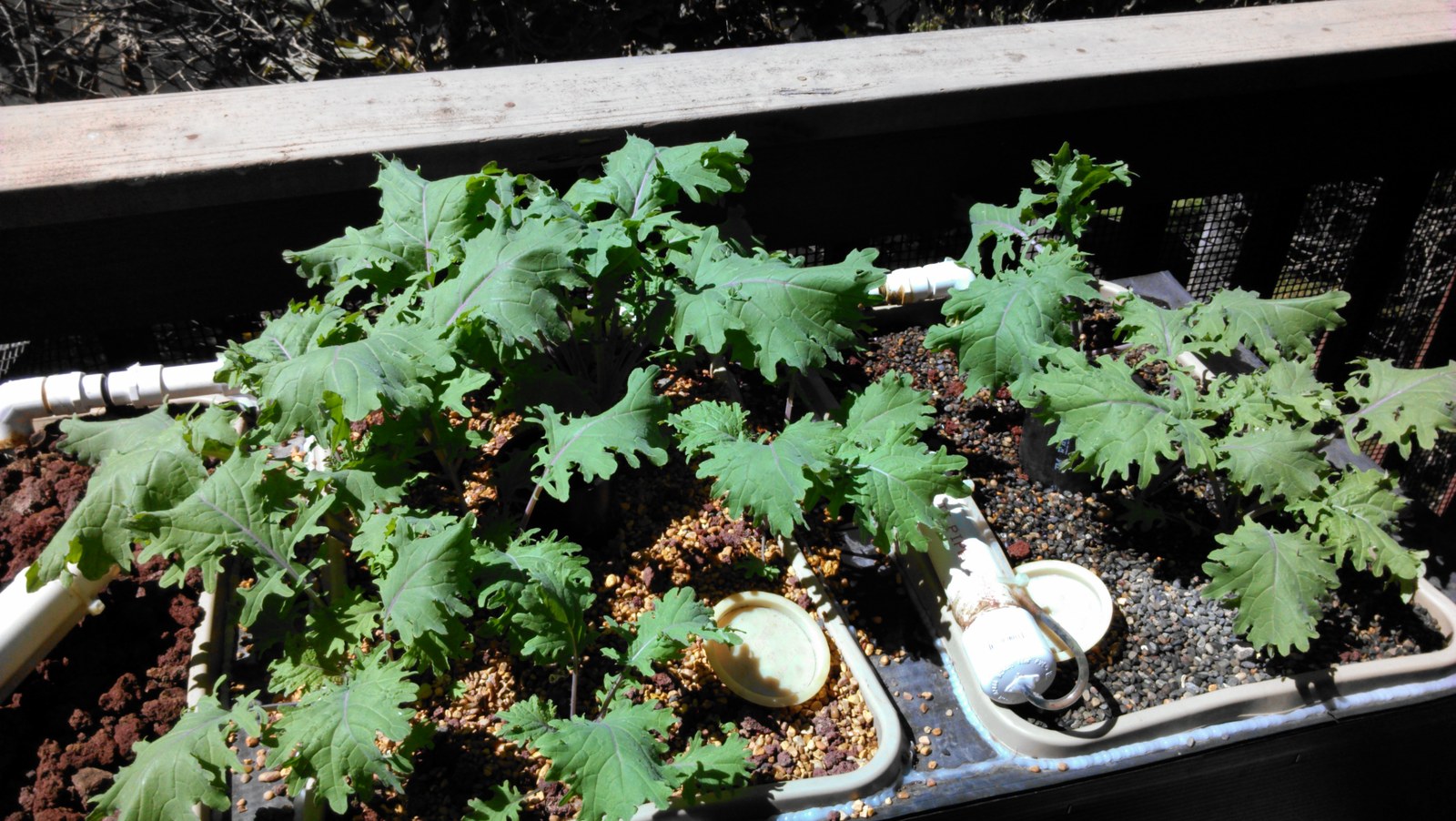
Three little beds, and more food than three little beds should make.
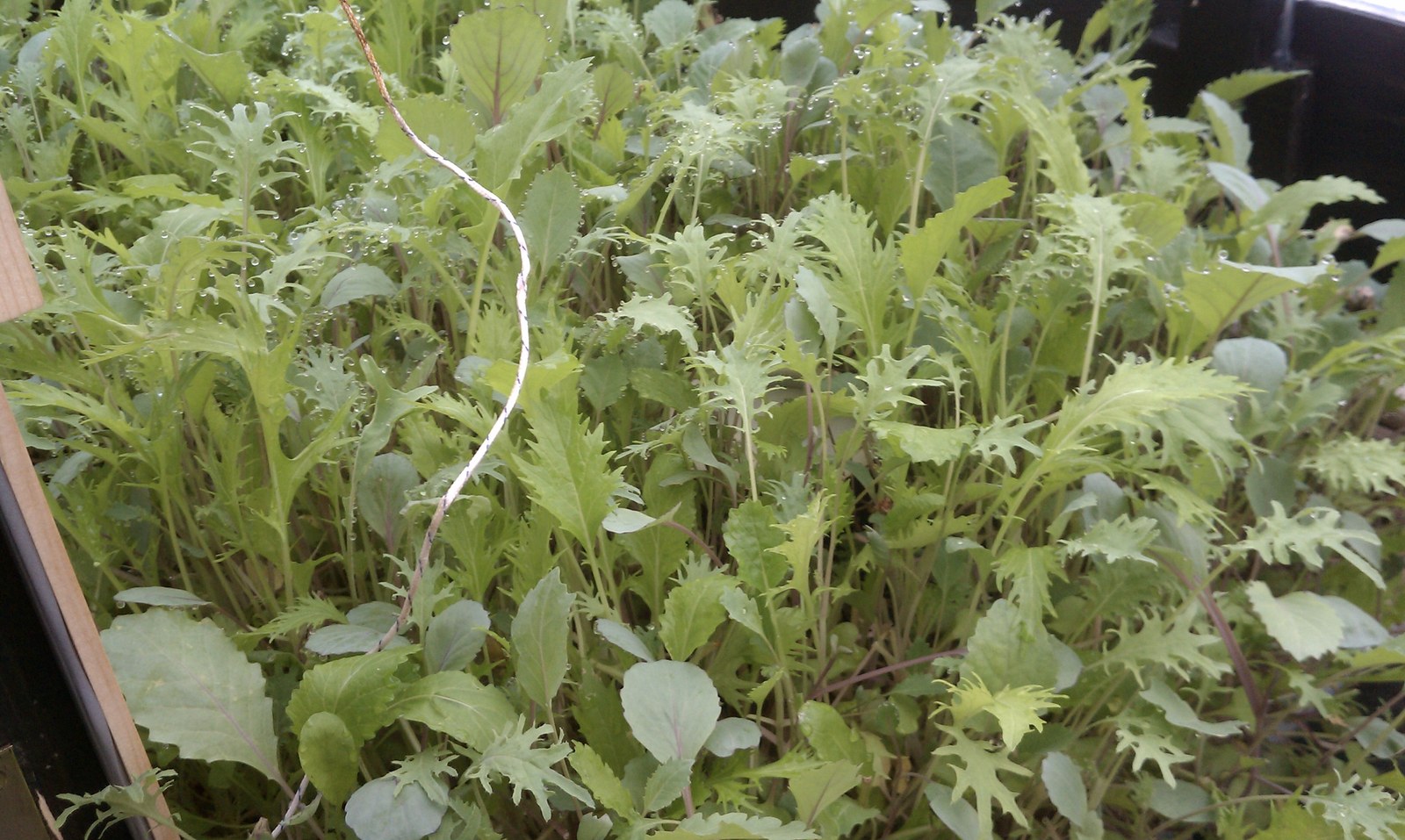
By the time the acre in Fallbrook was going up, the deck was running three beds of lava rock along the railing and turning out food steadily. That is the number worth holding on to: three beds, a few square feet, and a real amount of food coming off them.
This is why the Fallbrook build did not start from a blank page, and why the pickles do not need much ground either. The method was already working at the smallest scale we could try it at.
What came off it
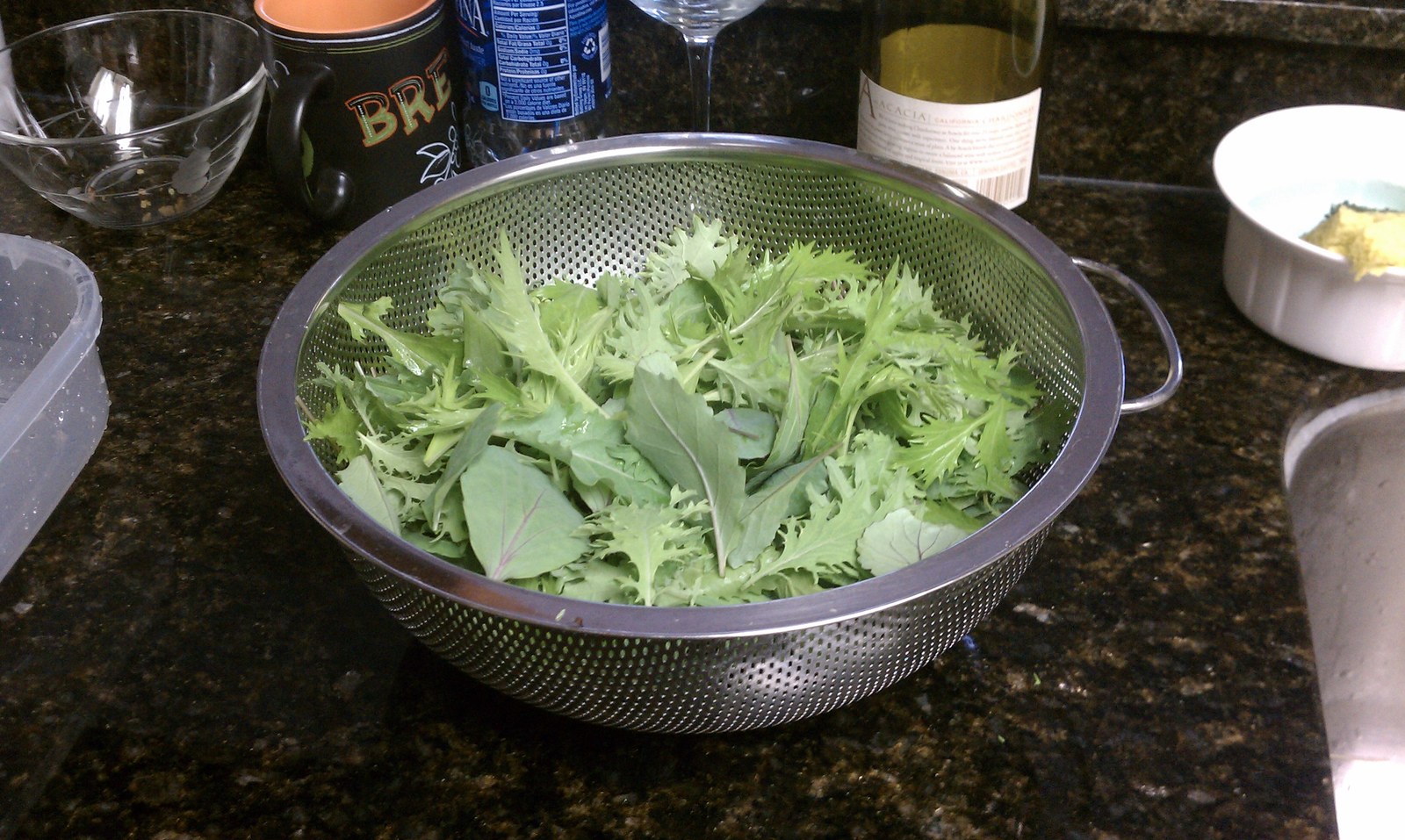
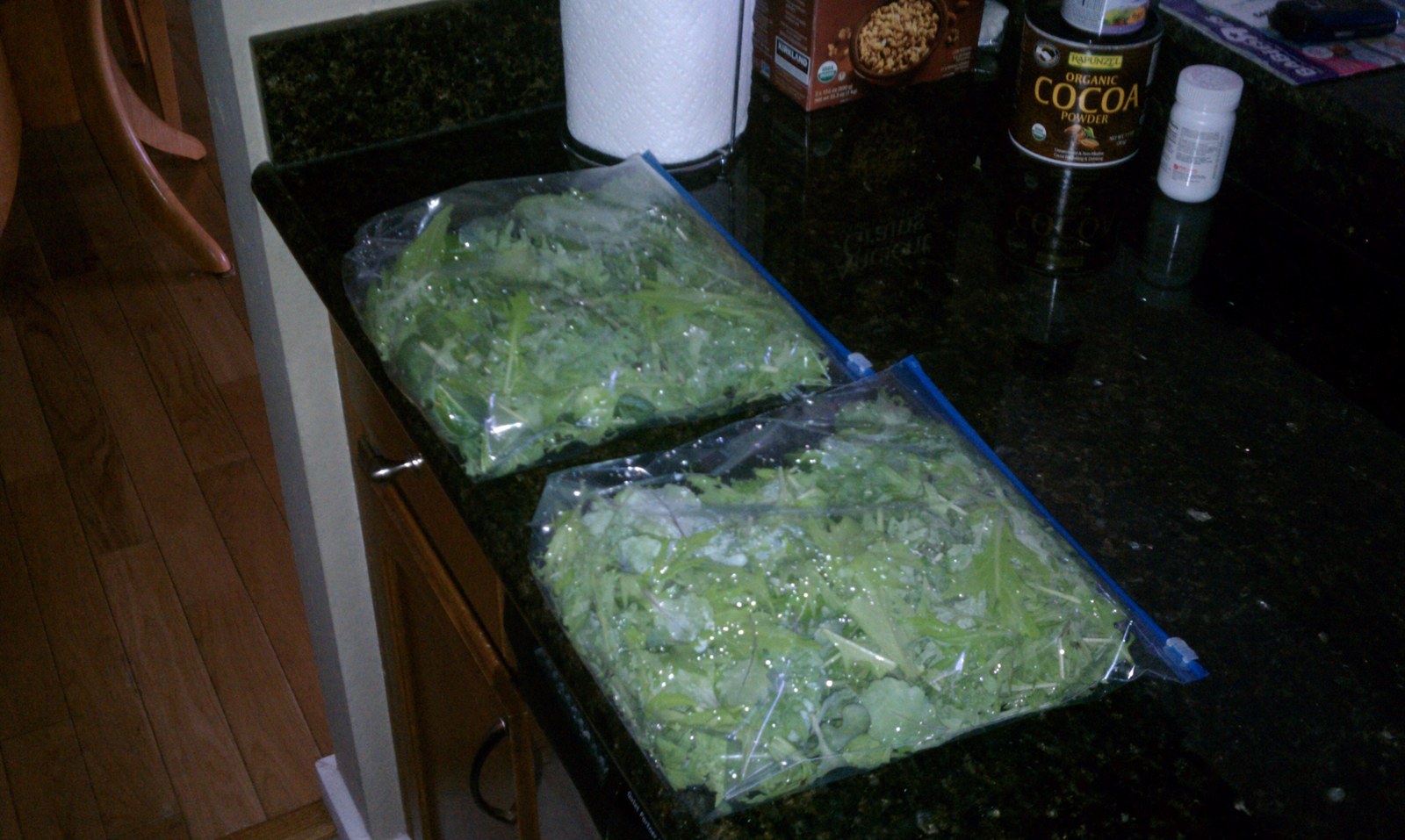
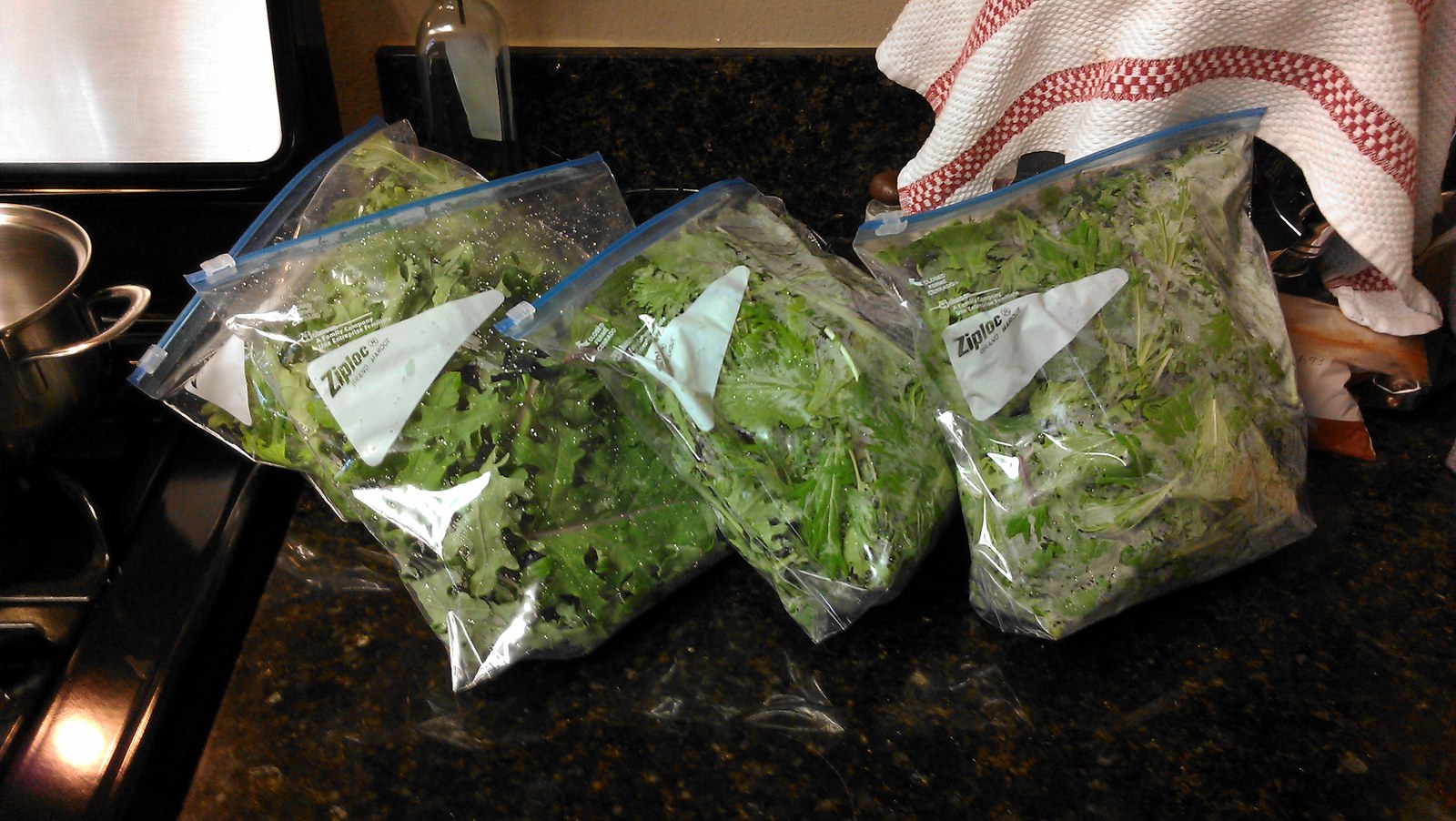
It all ended up on the kitchen counter, and there was more of it than you would think.
This is the part that settles the argument. Not the build, not the plumbing: the amount of food that came out of a few square feet of deck and went into bags on a countertop, week after week.
What this has to do with pickles
Making pickles is not the same job as farming, but it goes wrong in the same place: whether the ingredient turns up, on time, at a price you knew in advance, in the condition you expected. Everything on this page is a cheap answer to that question, worked out years before there was anything to sell.
The scale went up after this, to an acre. The habit did not change.