The Telescope Guy
Sidewalk astronomy, star parties, and the conviction that everyone deserves a Saturn moment — no prior knowledge required.
Origin
It starts with looking up
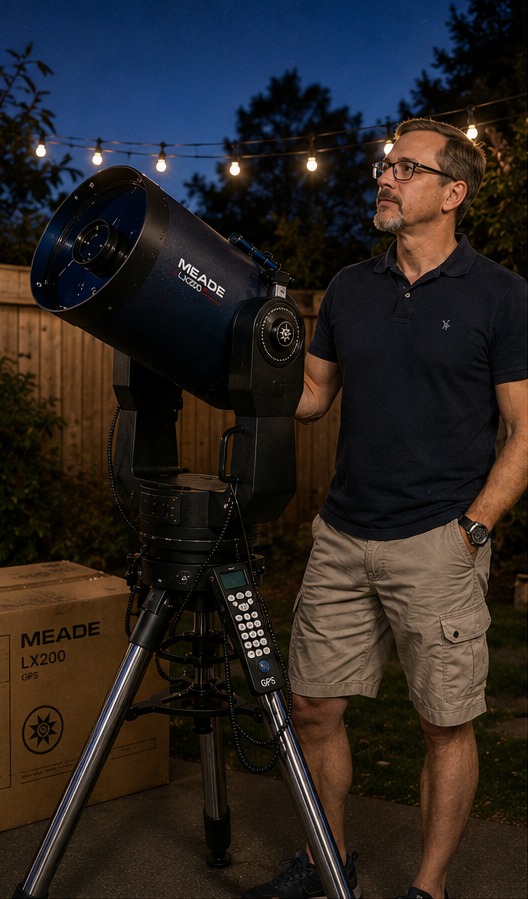
I got into astronomy the way most people do: standing outside, squinting at something bright, and wondering what it was. The first time I looked through a telescope and saw Saturn's rings with my own eyes, something changed. That experience was too good to keep in a backyard.
The rings are real. They hang there, impossibly distinct, unmistakably three-dimensional. No photo prepares you for the moment your eye adjusts and you see the gap between the planet and the ring. That gap is called the Cassini Division. Nobody forgets it.
The Practice
Sidewalk astronomy
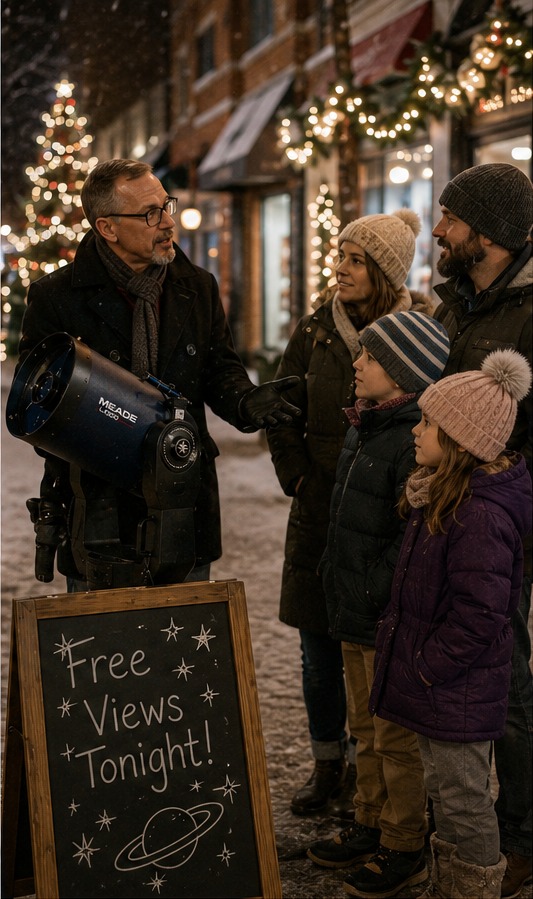
Sidewalk astronomy is what it sounds like. You take a telescope to a public sidewalk, a park, a busy corner — somewhere people are already moving — point it at something obvious, and invite anyone who stops to look. No tickets. No setup fee. No prior knowledge required.
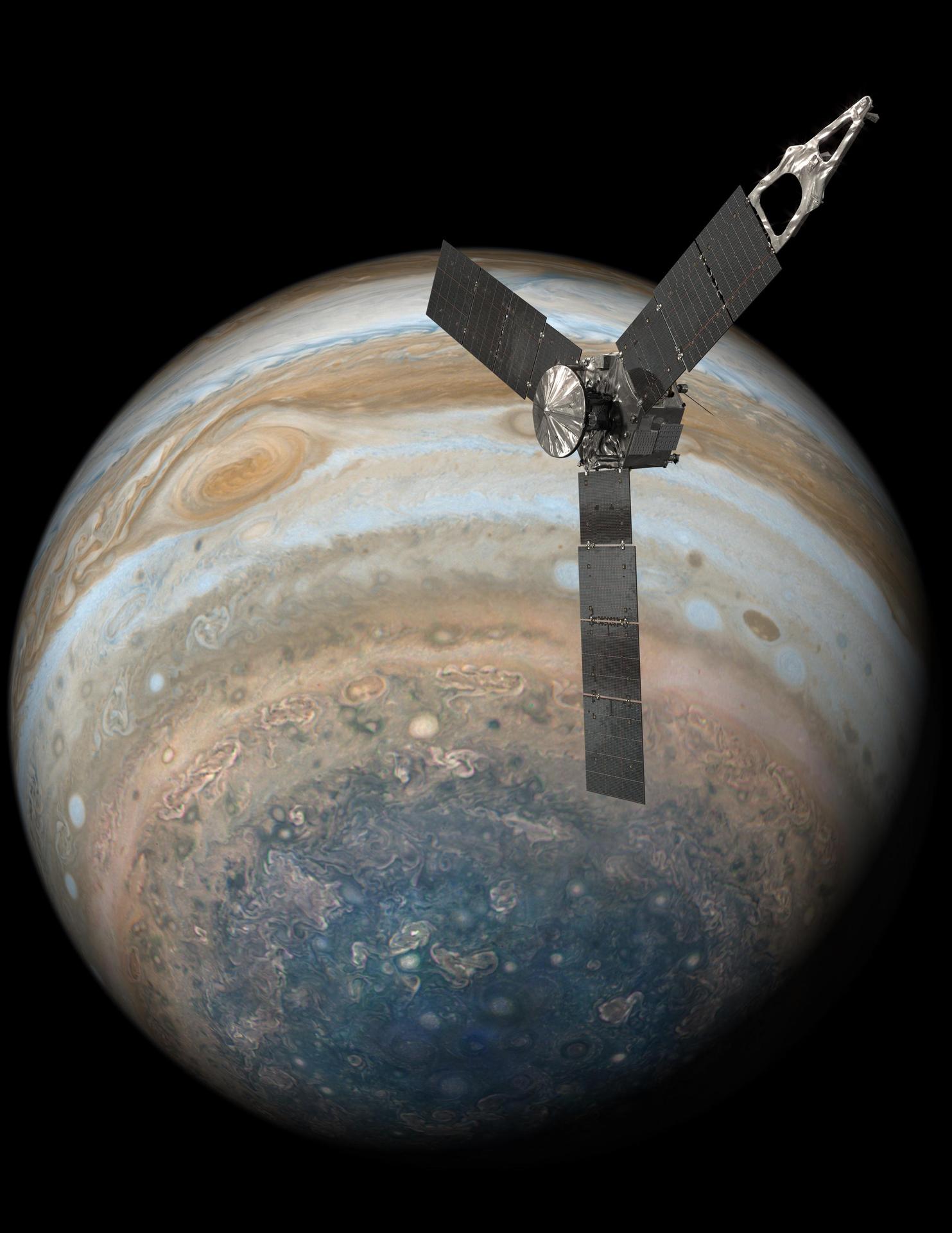
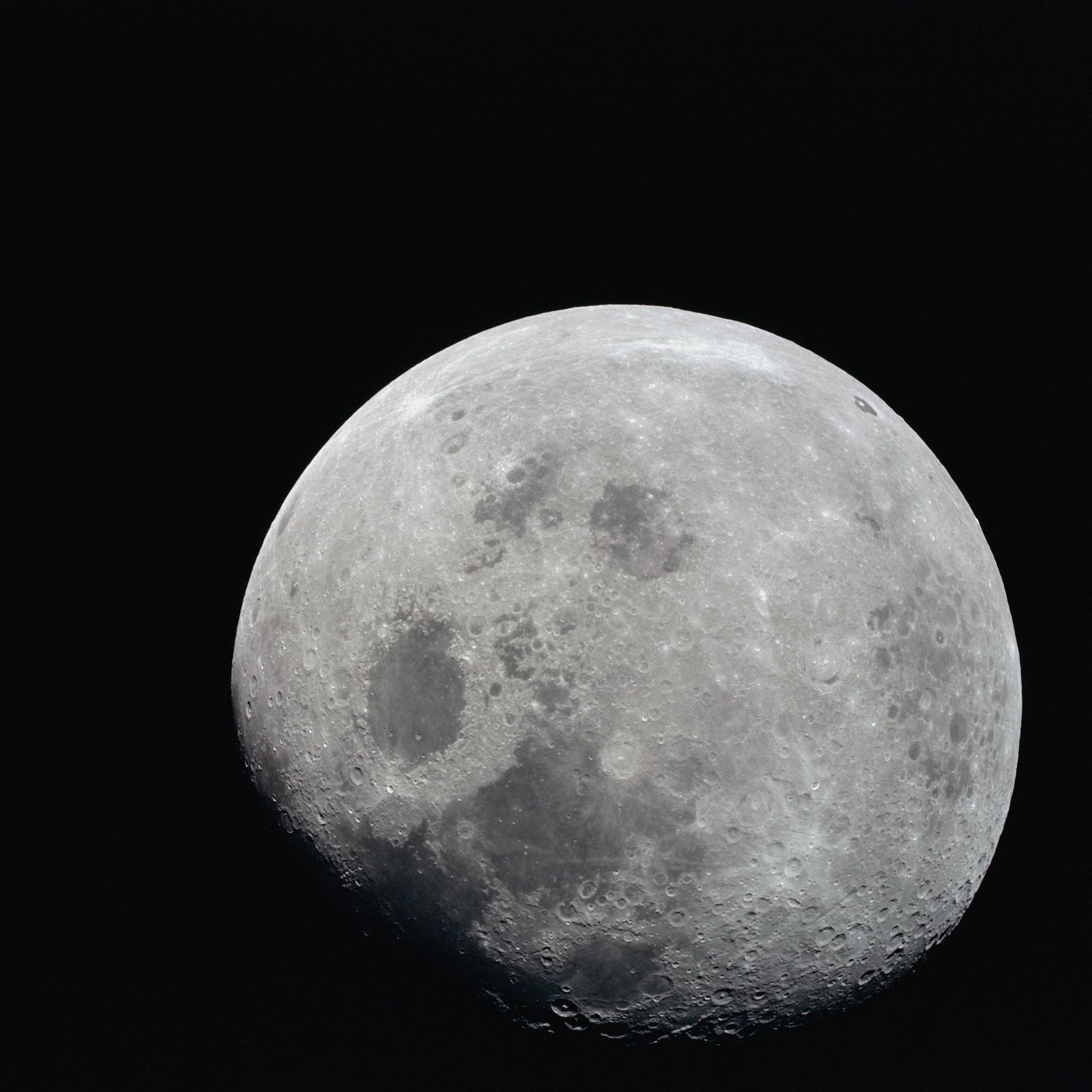
The reactions are always the same: a moment of adjustment, then stillness, then a kind of quiet surprise. Saturn does this to people reliably. So does Jupiter when the cloud bands and the Galilean moons are visible. Even the Moon, close enough to see individual craters, stops people in their tracks.
Busking with a telescope turns out to be one of the fastest ways to give a stranger a memory. The sidewalk removes the barrier of a formal event. People who would never go to a star party will stop for thirty seconds on a Tuesday night and look through an eyepiece.
Objects worth the stop
The short list
For sidewalk sessions, a few targets work almost every time:


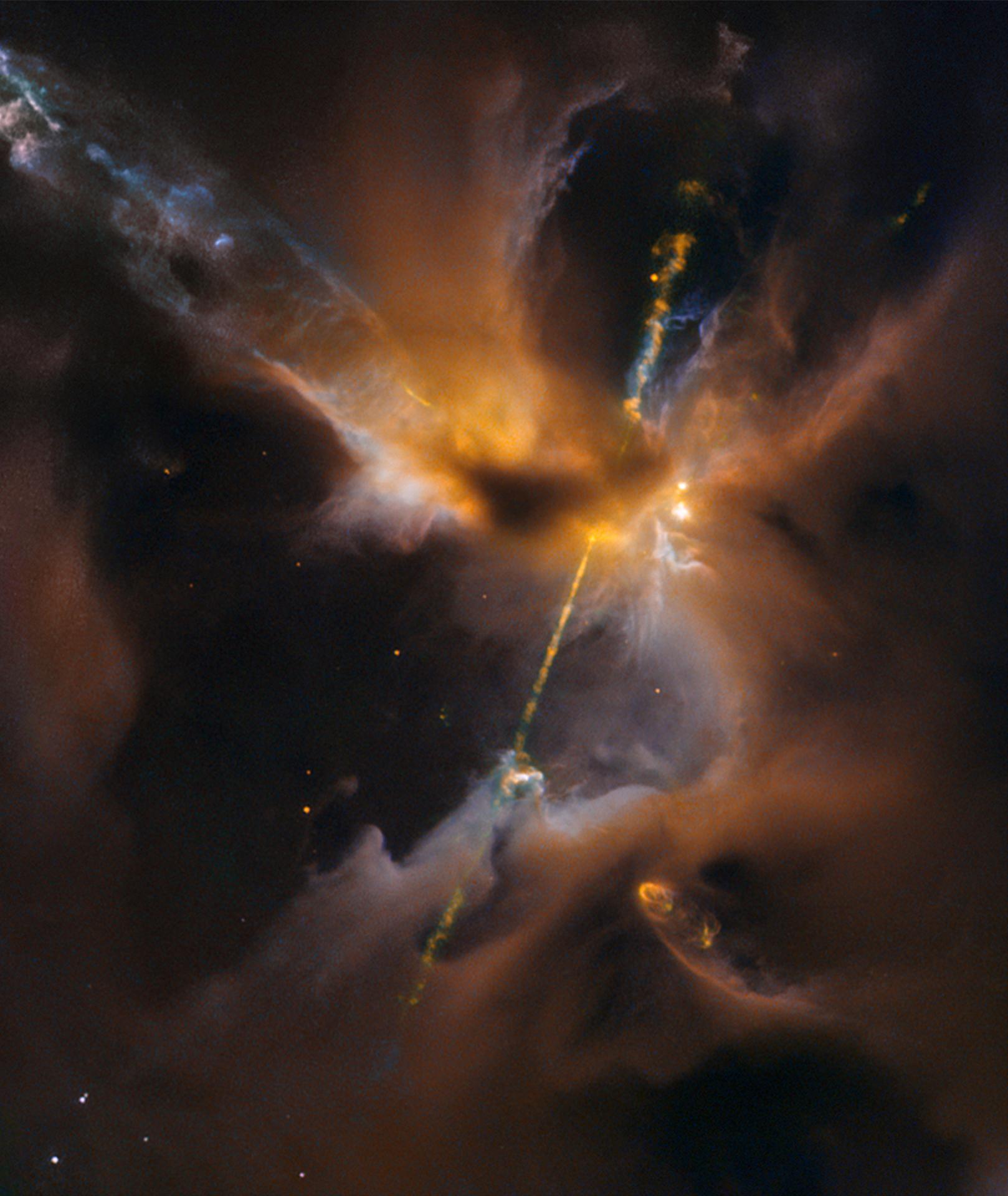

The Evolution
Star parties and hosted events
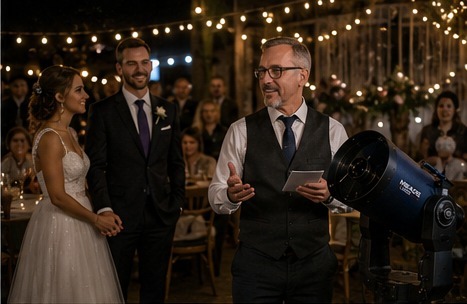
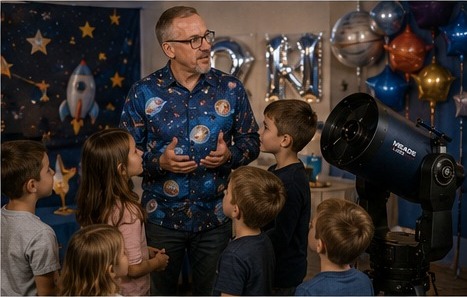
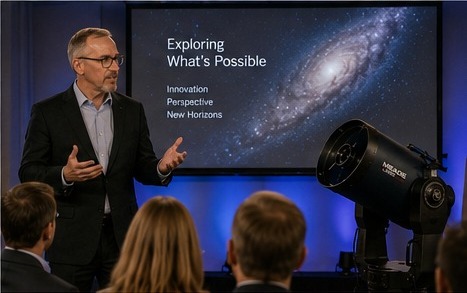
From street corners it grew into something more organized: star parties, hosted astronomy nights, private events where the telescope becomes part of the occasion. The core principle stayed the same: lower the barrier, remove the friction, and let the sky do the work.
What that progression taught is that people are not waiting to become amateur astronomers. They are waiting for someone to hand them the eyepiece and point at something worth seeing.
- — Sidewalk busking with a telescope
- — Organized star parties and community events
- — Hosted astronomy nights at celebrations and private events
- — Taking the scope wherever people already are
Bringing this further
The interesting question is what happens when the scope isn't on the sidewalk.
Every clear night there is something worth seeing. Most people don't know what, or where to look, or whether it's worth stepping outside. Working on that. More when it's ready.